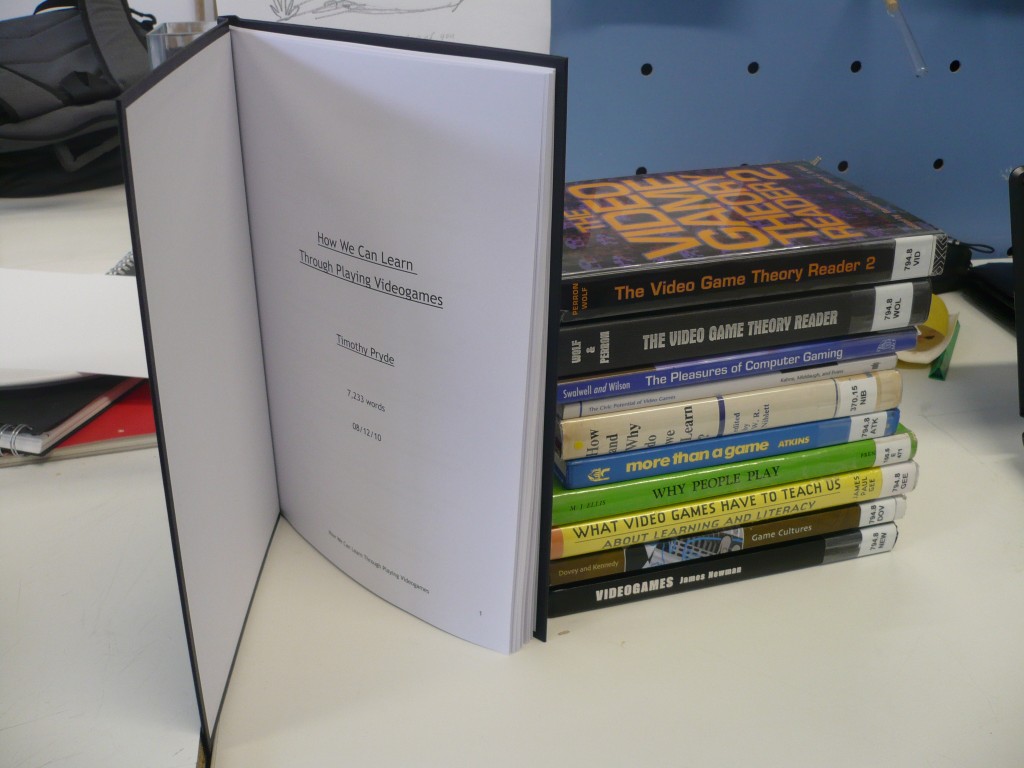
Today I finished my dissertation. By finished I mean edited, formatted, fully cited, re-edited, re-formatted, re-cited, proof read, proof read again, edited again, readied for printing, submitted digitally, printed, checked and BOUND! Phew!And now I have a nice hard bound wad of 36 pages waiting to be handed over to the right person.
It feels like finishing reading a good but lengthy book. I skip back to the first few pages I wrote and it feels like so long ago. What’s more, the dissertation I proposed in March is not the same one I have just finished. The broad themes are still there, in my case how videogames can be viewed as non-frivolous, but as the writing progressed I saw more specified and relevant themes emerging. This helped me to understand both what I needed to look deeper into and what possibly was taking the dissertation along a path of deviation. It is a tough call to outright delete a few thousand words (and what feels like a few thousand hours of effort!) but that’s just all part of the process I guess. It seems that academic writing is as much about the content you write as it is the content you remove for the sake of fluidity and coherence.
Overall I am happy with the final result. At 7233 words - How We Can Learn Though Playing Videogames by Timothy Pryde. (see bottom of post for download)
I think it has a good ring to it!
The dissertation explores a background into how we learn and why we play then applies this understanding into the context of videogames and gameplay. This highlights the term ‘gaming literacy’ - a key component within my analysis and argument. Following this I look into the learning outcomes which can be derived from videogames and gaming literacy. However there are many authors (in particular Gee and Zimmerman) who have devoted works of text to this subject so my overview concludes on how this understanding may be applied which I believe to be through the concept of ‘gamification’. I round off the dissertation with a case study which is the Games Construction Workshop I carried out back in mid October (which is yet to receive its own follow-up blog post). This allows me to apply primary research to back up my secondary research whilst also providing a demonstration into how videogames, gaming literacy and gamification can all be applied in the academic environment without the direct use of consoles in the classroom.
Throughout, however, I am aware that my arguments towards the benefits of videogames and the areas of understanding derived from them are wholly reliant upon the quality of the content, context and implementation. Though I argue that all videogames provide us with knowledge to some extent, the quality will fluctuate with regards to each title (which can also be said of any media format).
The only regret I have is that the topic of gamification is not so much skimmed over but I would have liked to go into more detail, providing more in-depth examples of both good and bad. However I felt that this would open up a can of worms and send me off on another tangent which could ultimately result in a whole other dissertation.
I would be lying to say that I loved every minuite of this, there where a few hairy moments where it might have collapsed around me, but like I said earlier, I have been left with a distinct feeling of satisfaction. Satisaftion that I have not only produced the longest piece of literature I have ever written but also that I have discovered, and learnt much about, a field of expertise which excites me.
I feel that this in particular is the key outcome which I have gained from the fragmented year I have spent working on my dissertation.
Here is the full dissertation pdf file:
How We Can Learn Through Playing Videogames by Timothy Pryde
If you have the time to read it I would love to hear what you think!

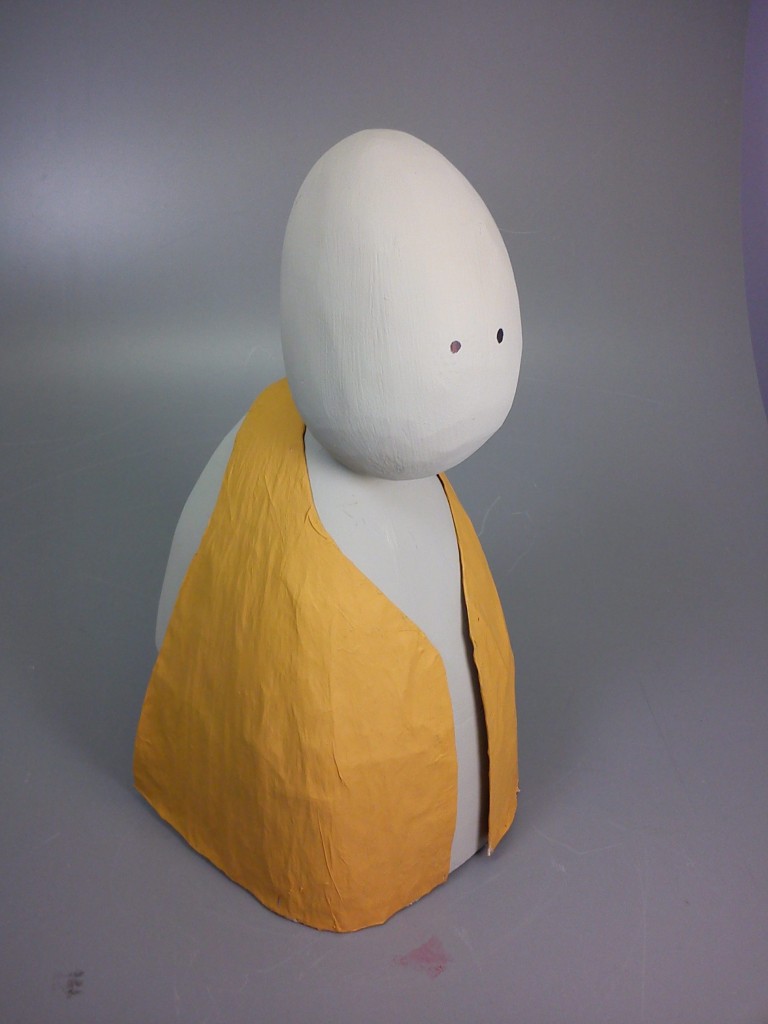
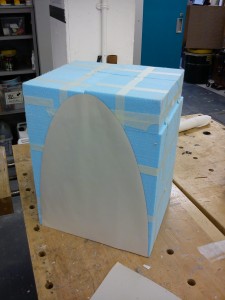
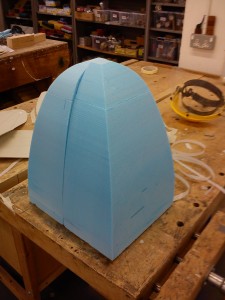
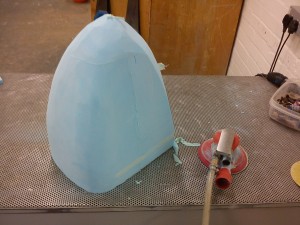
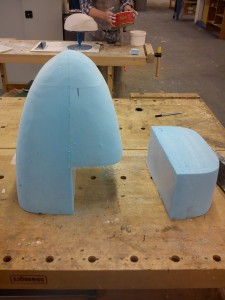
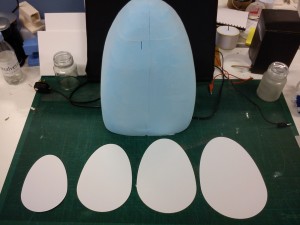
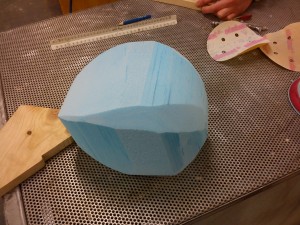
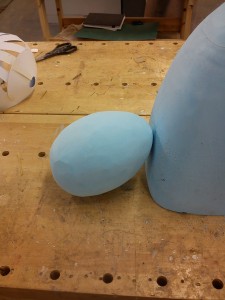
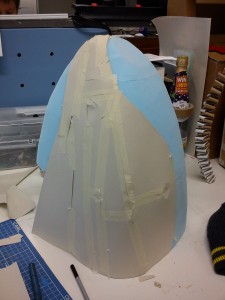
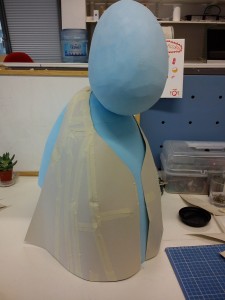
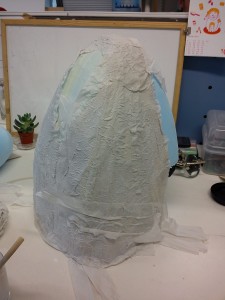
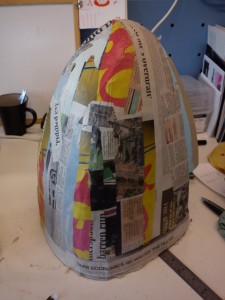
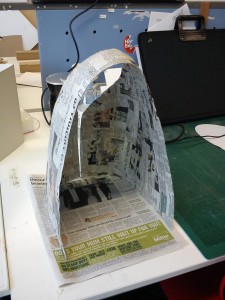
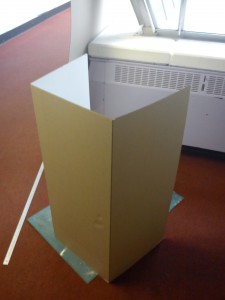
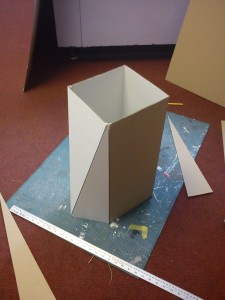
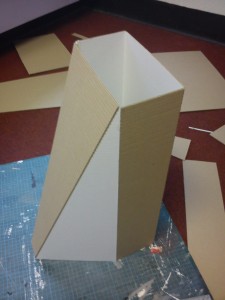
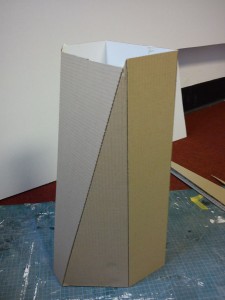


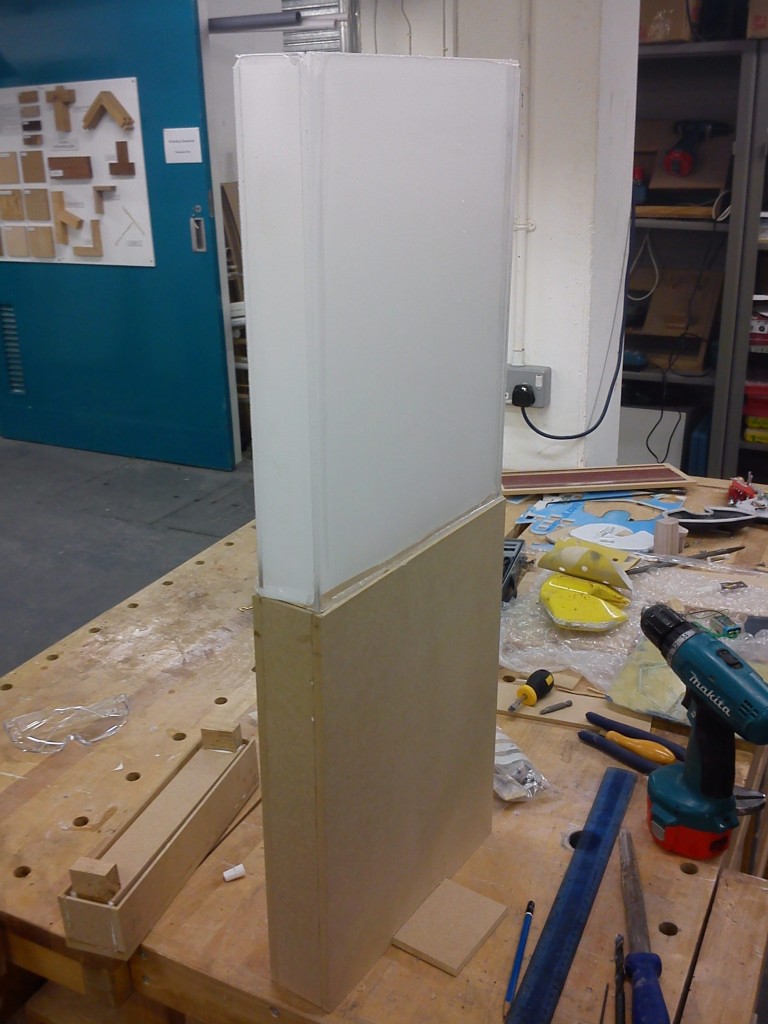
 I designed the top unit so that, rather than glueing the electronics in, there where 2 screws on either side which secured the upper and lower sections of the top unit allowed for easy access.

 The box made in into local newspaper - The Courier! Here is the scanned snippet from the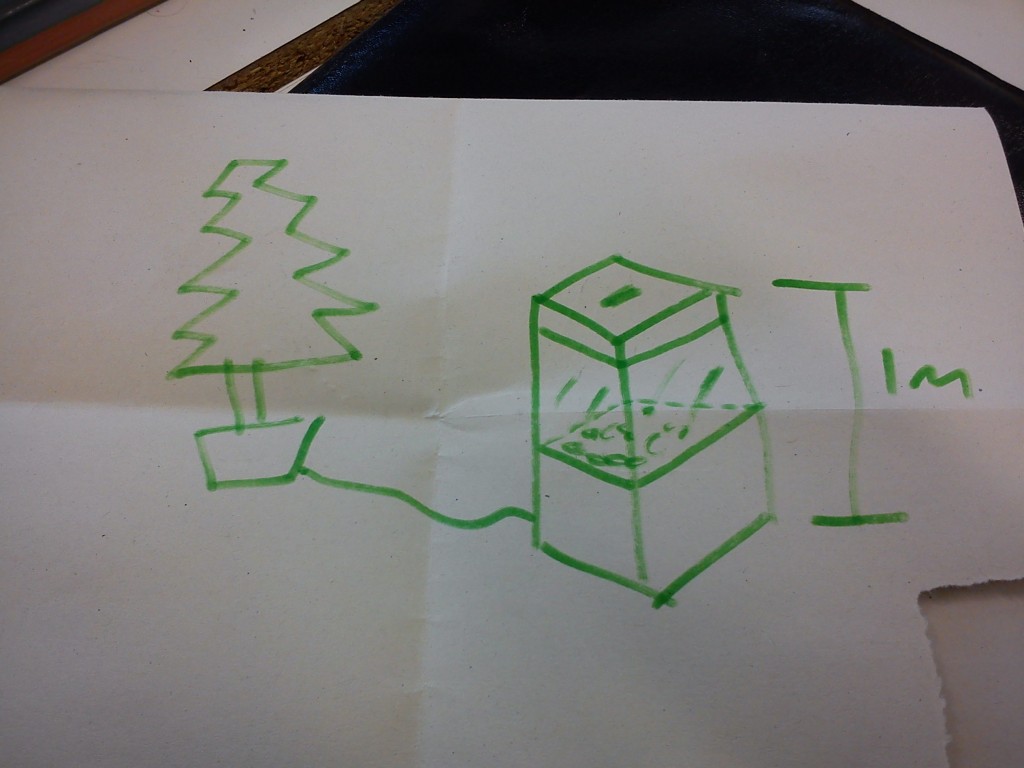
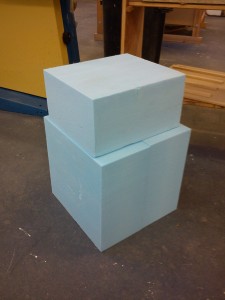
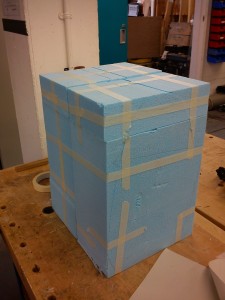
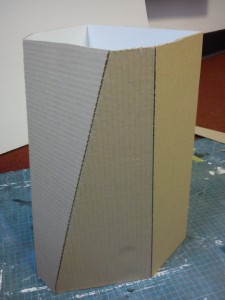
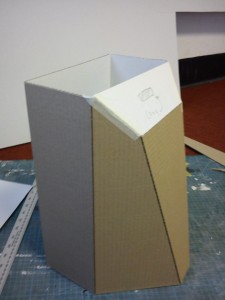
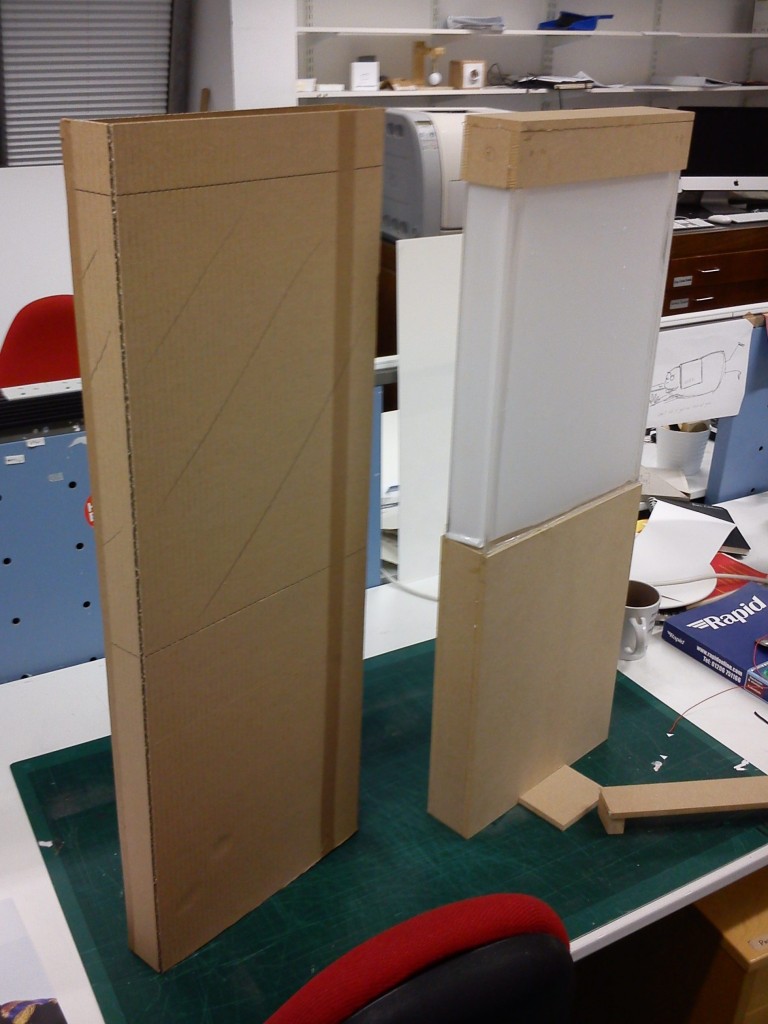
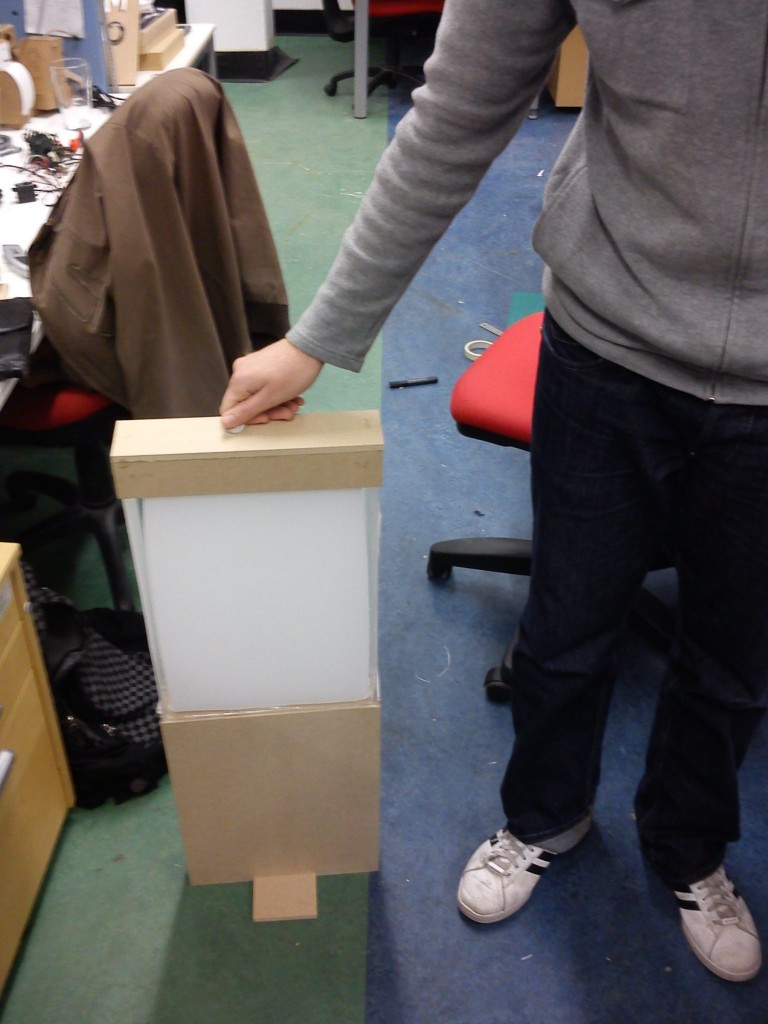
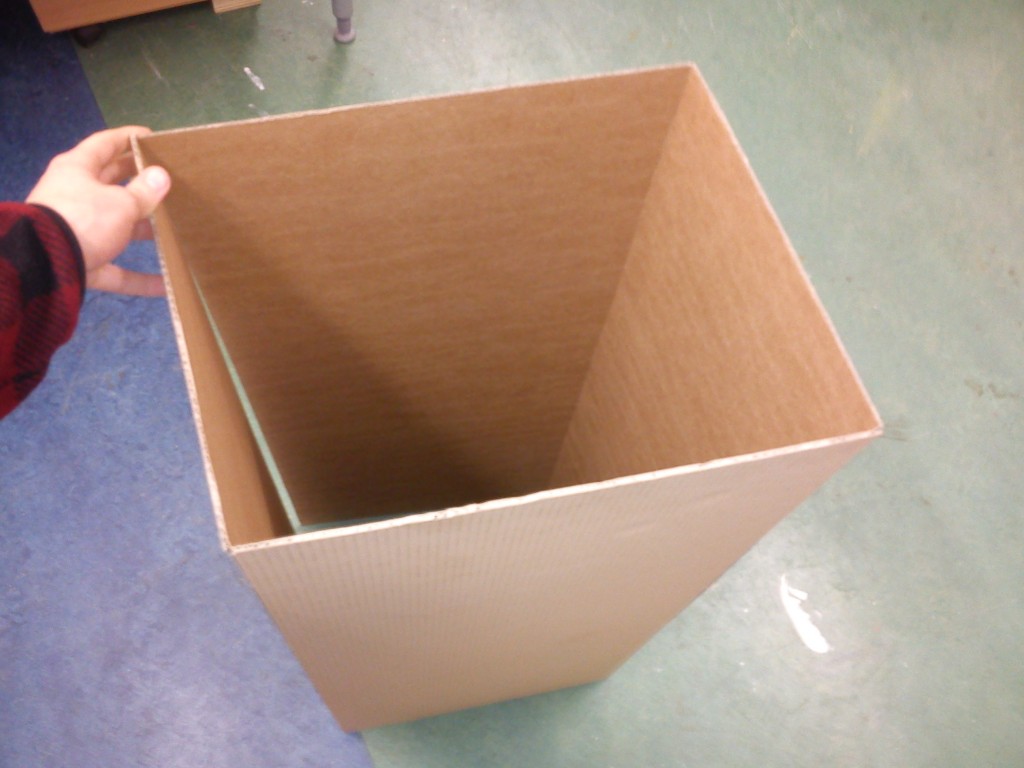 Too big. It would take heaps of money inside it for it not to look like a pitiful amount. So I made it skinnier.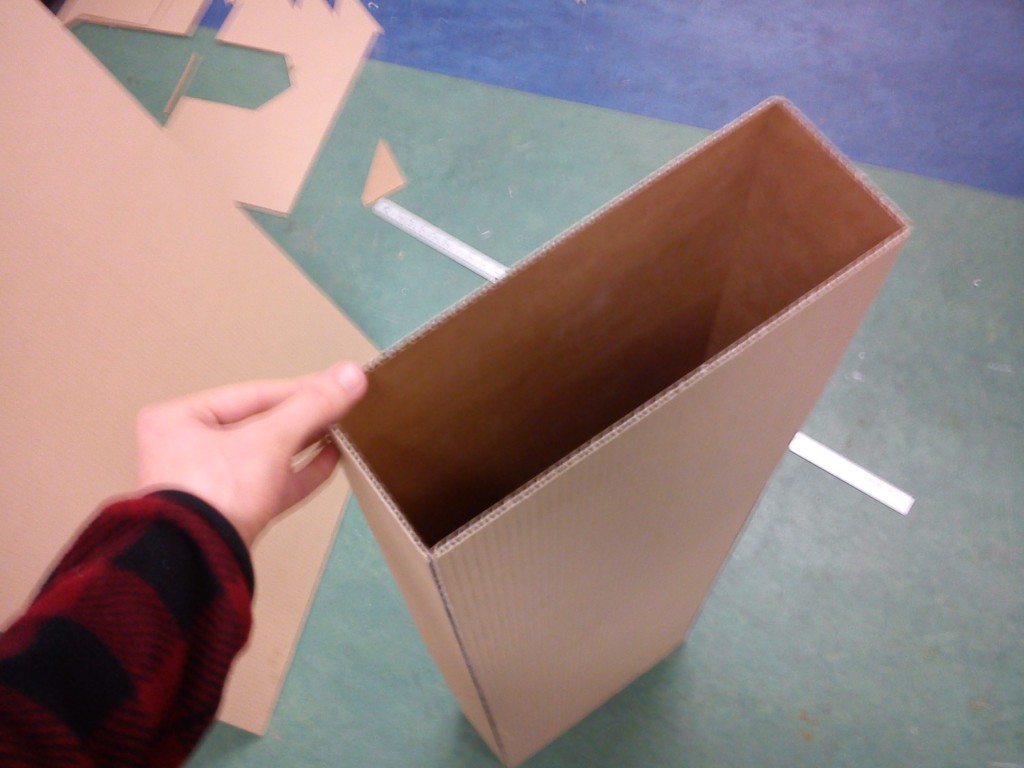
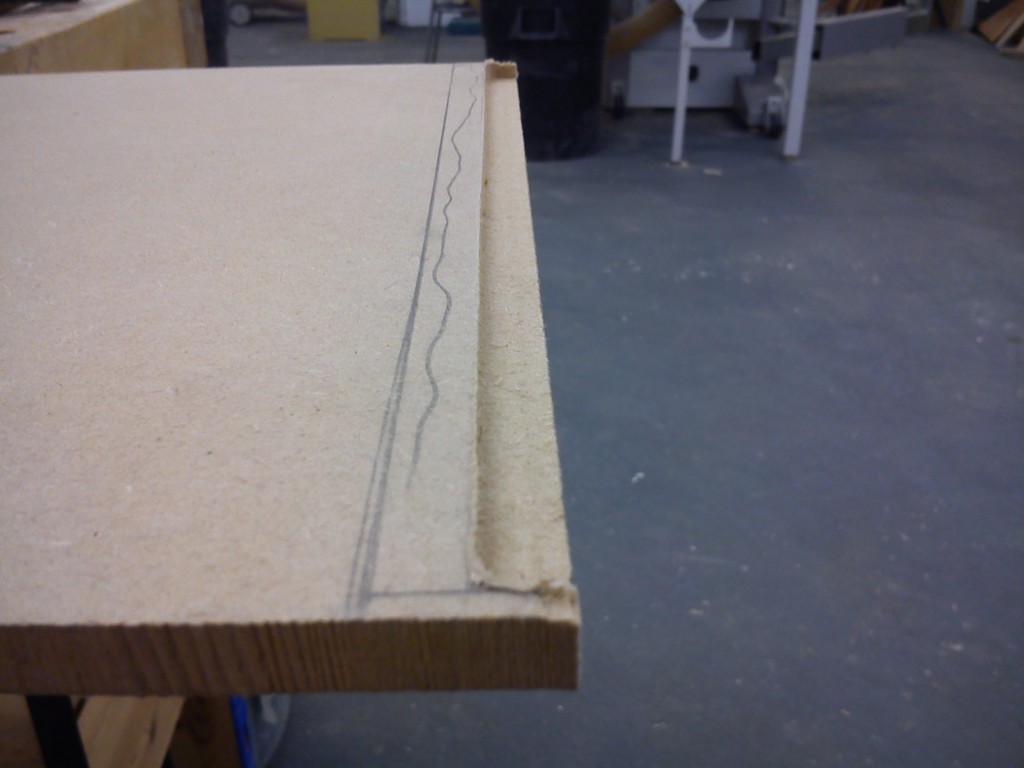
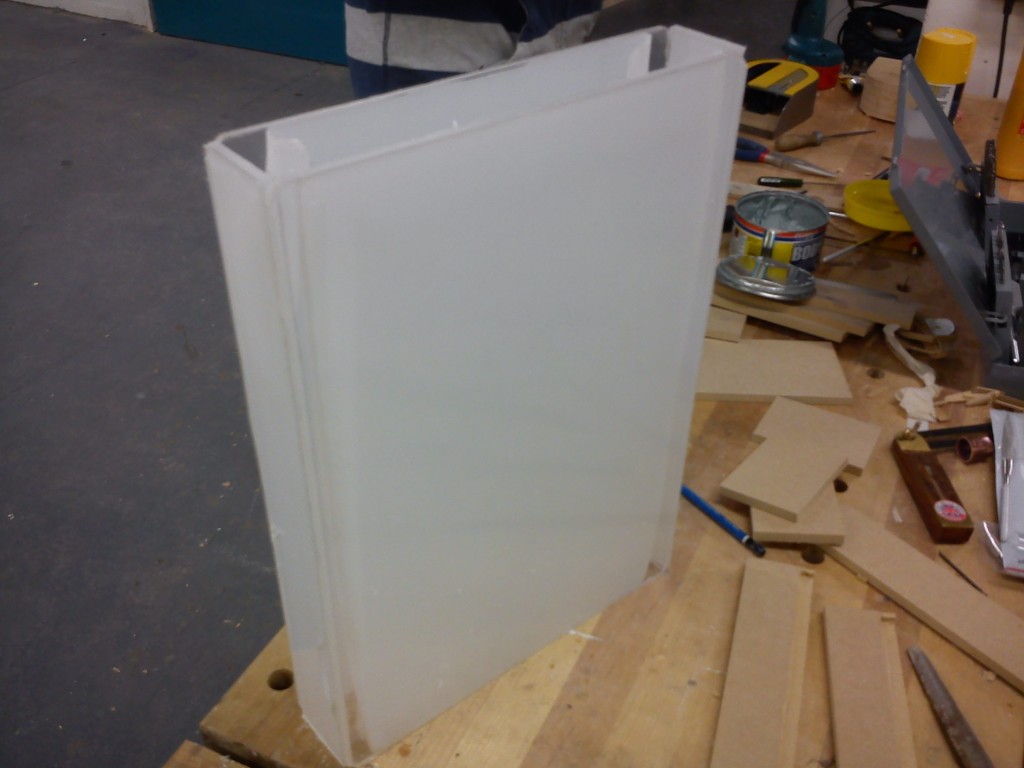
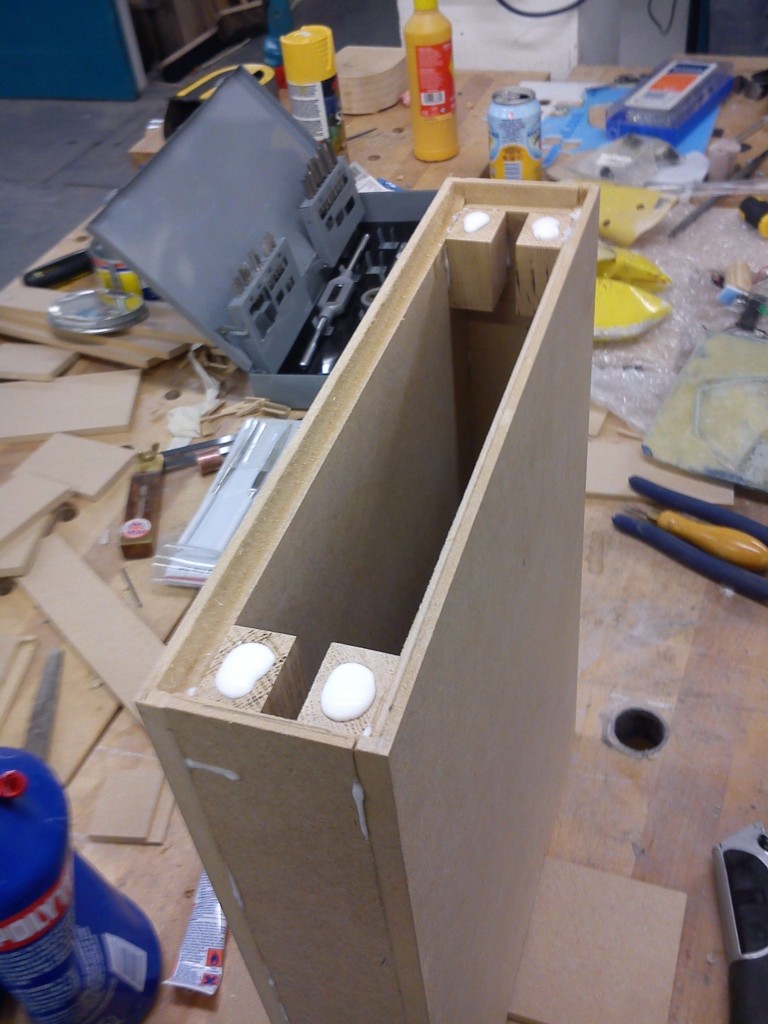
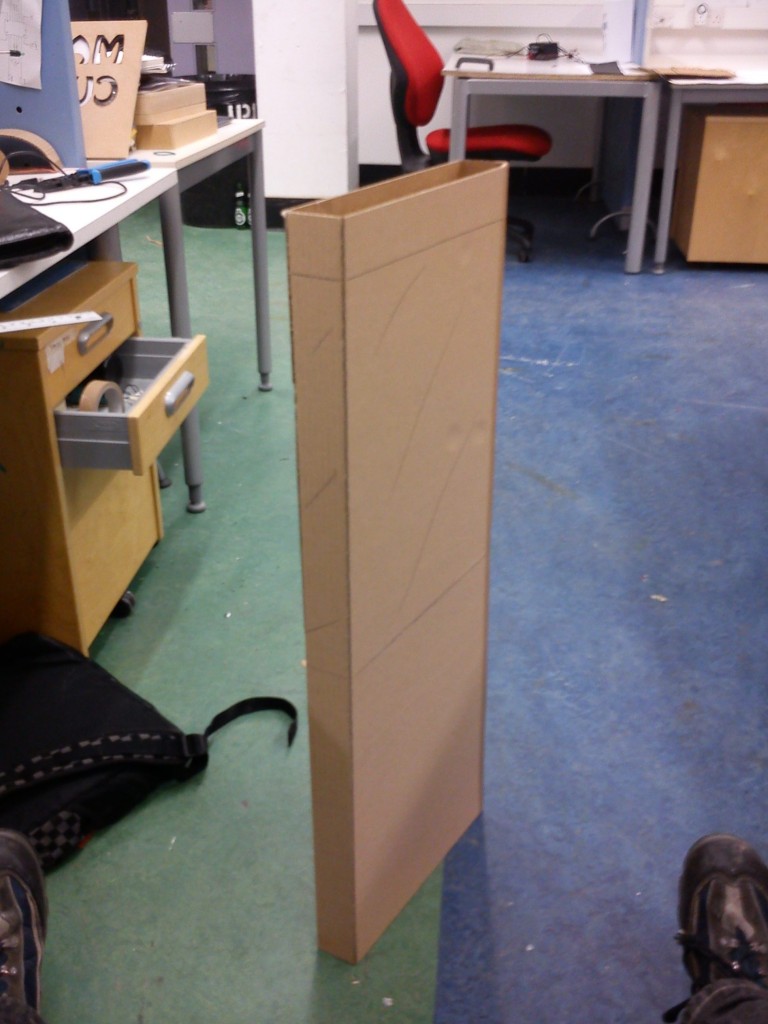 Third time lucky, this size was ideal so I also marked on where I would want the transparent screen to be. Following this I measured it all up and got dimensions both for the finished piece and also for the panels of wood and plastic which would be required. This was put together in a semi-technical drawing. Detailed enough though for me to explain to the technicians in the workshop what I was doing, what materials I was using and for them to cut the pieces into shape.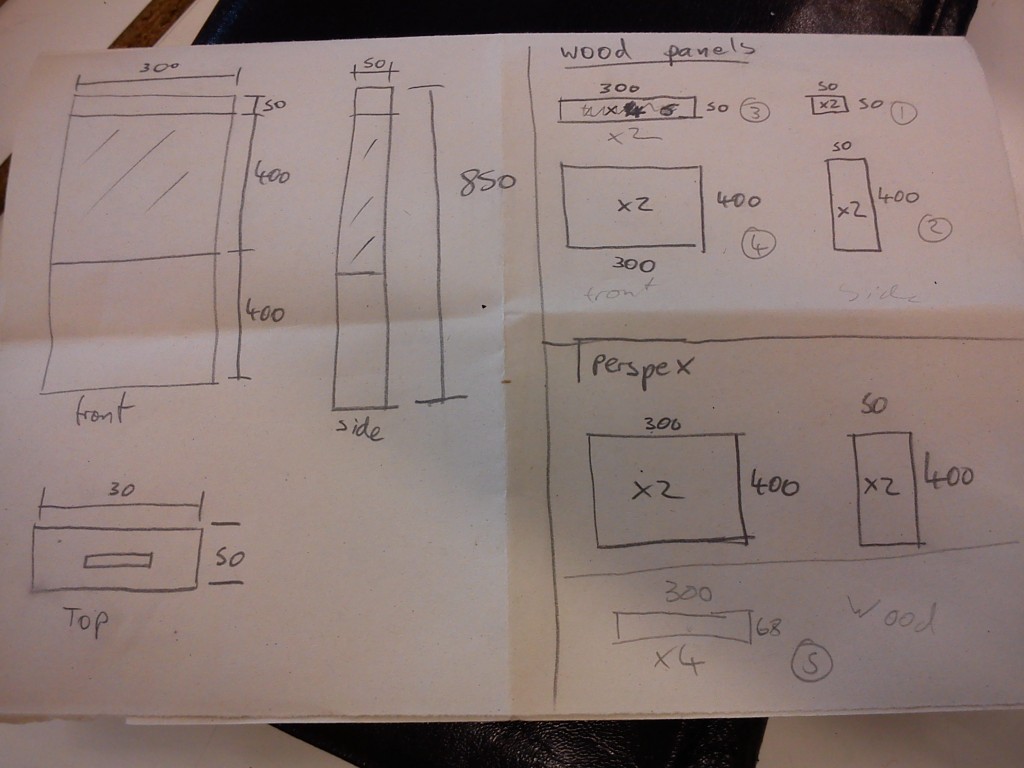
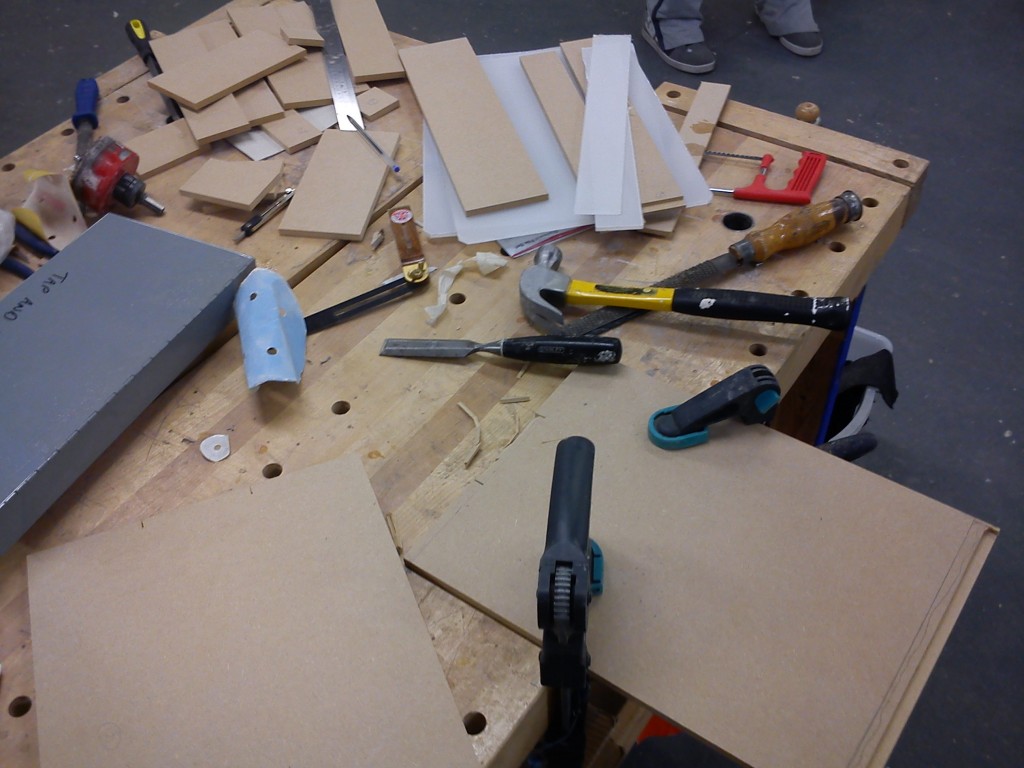
 Part 4: Next up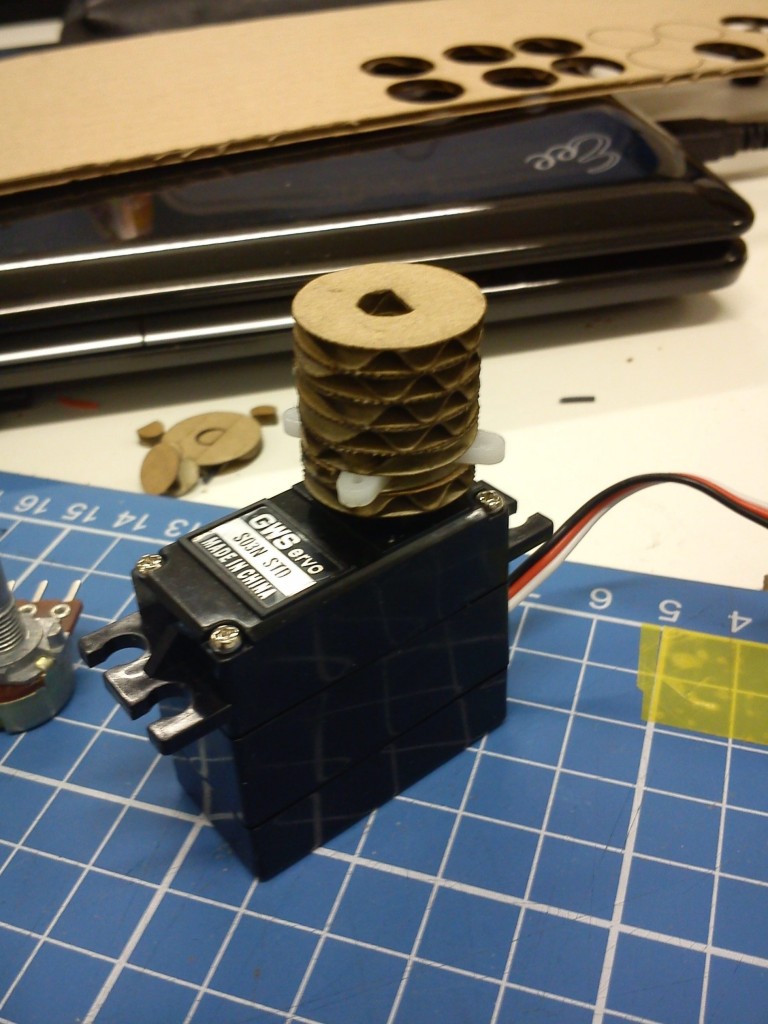
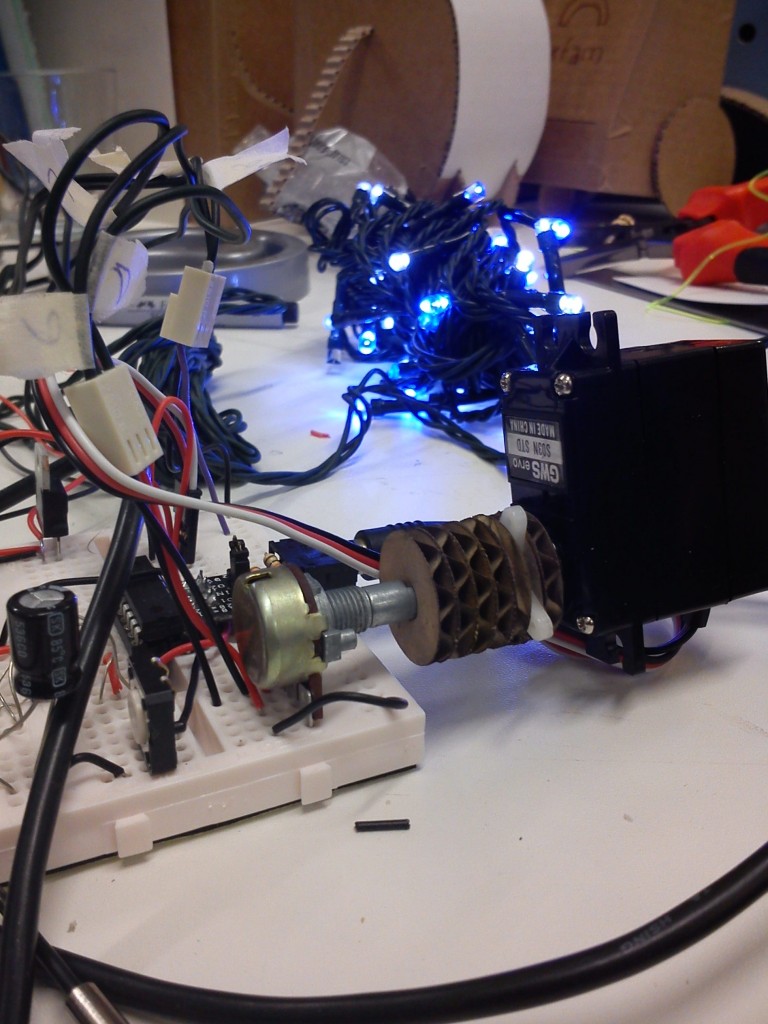

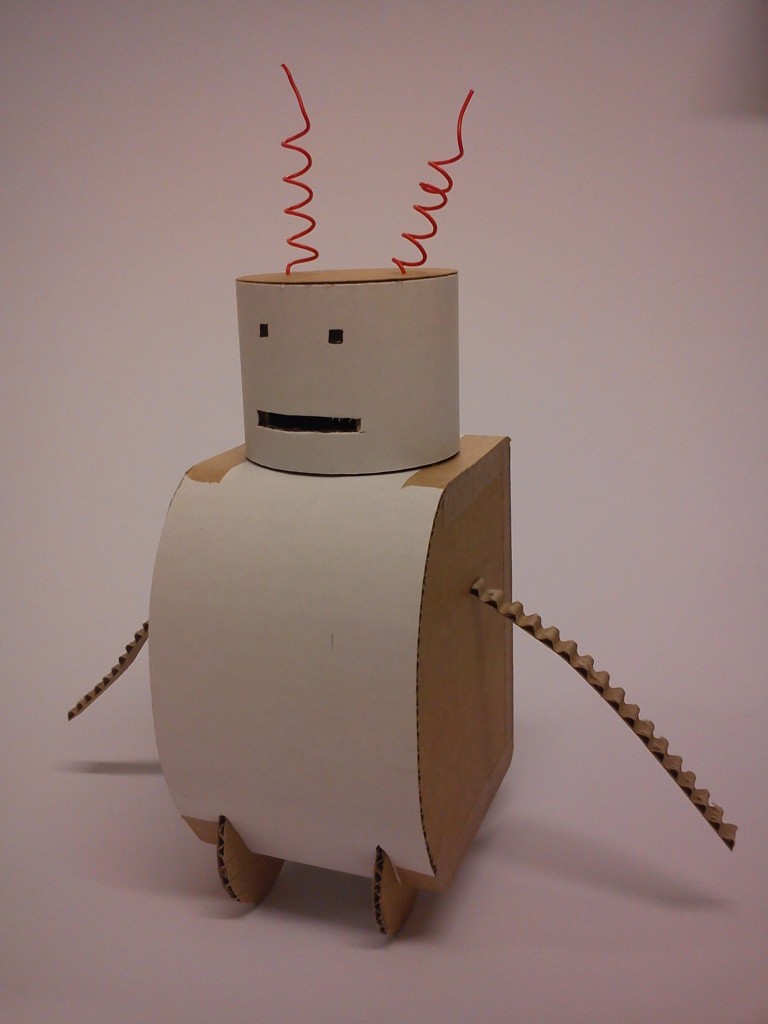
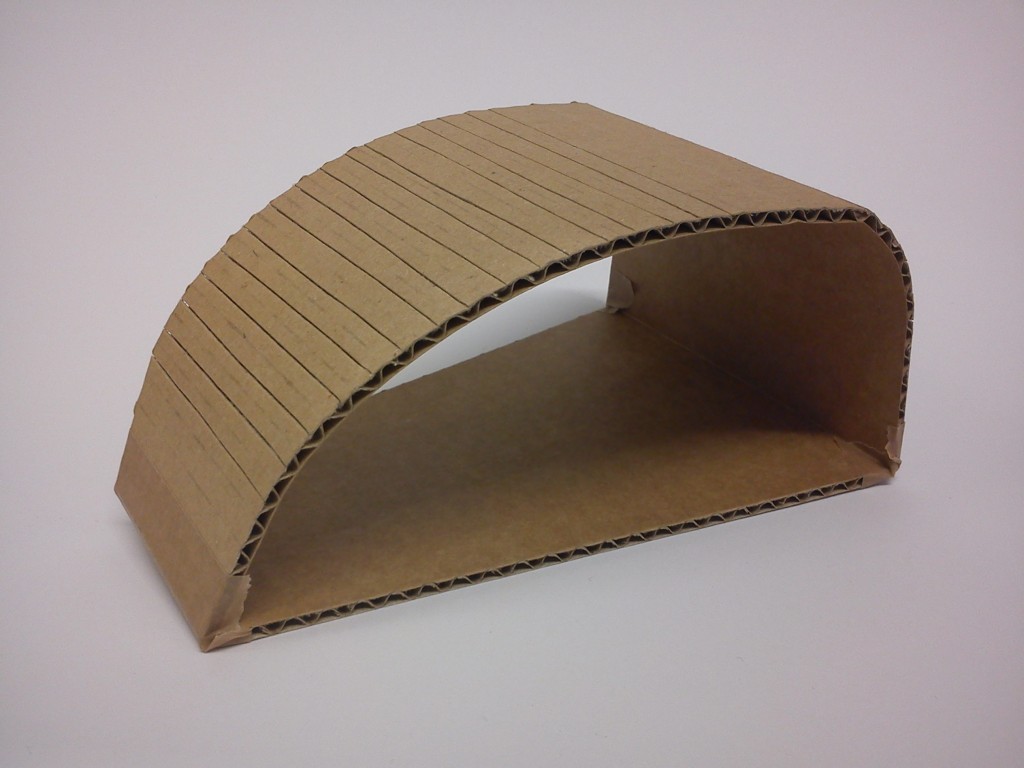
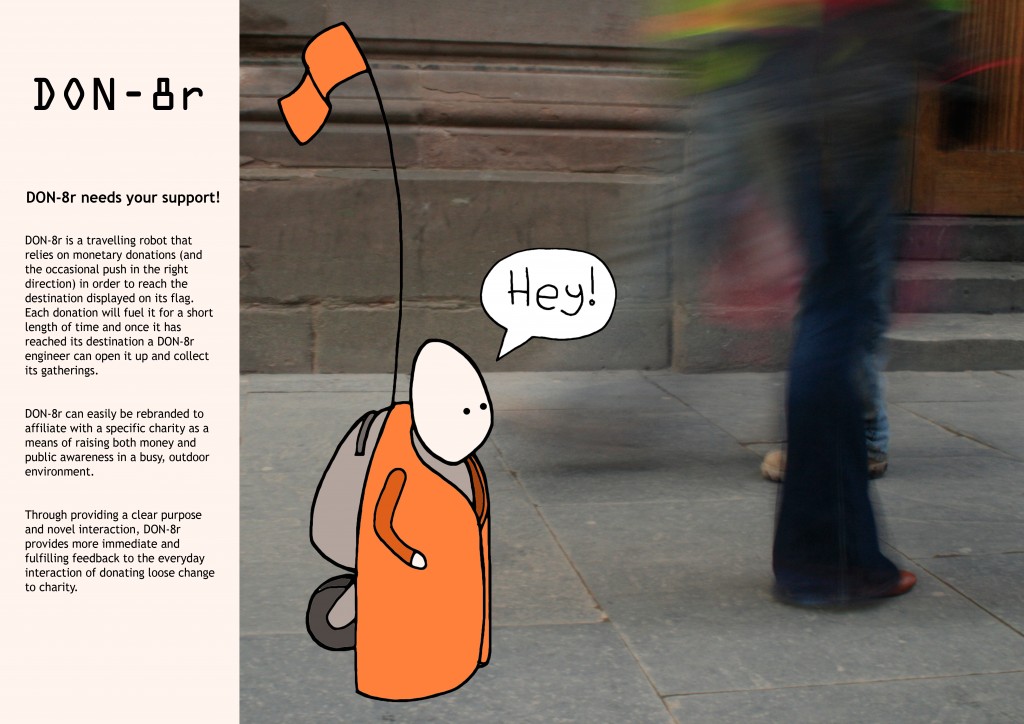
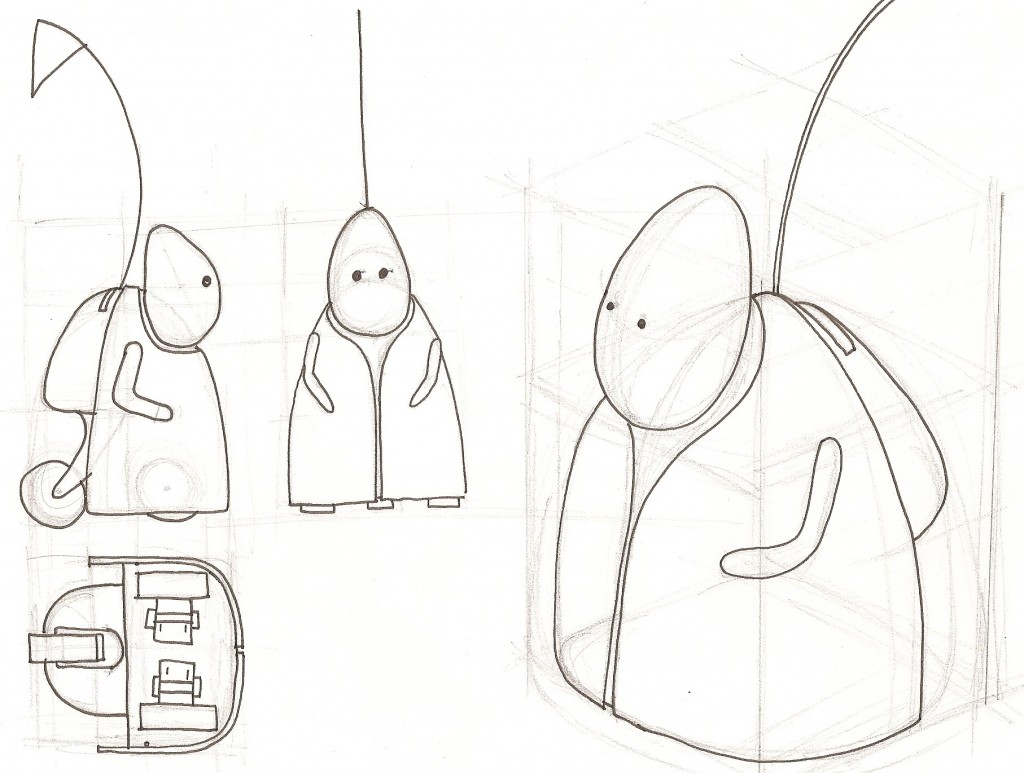
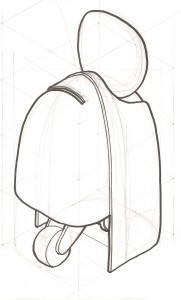
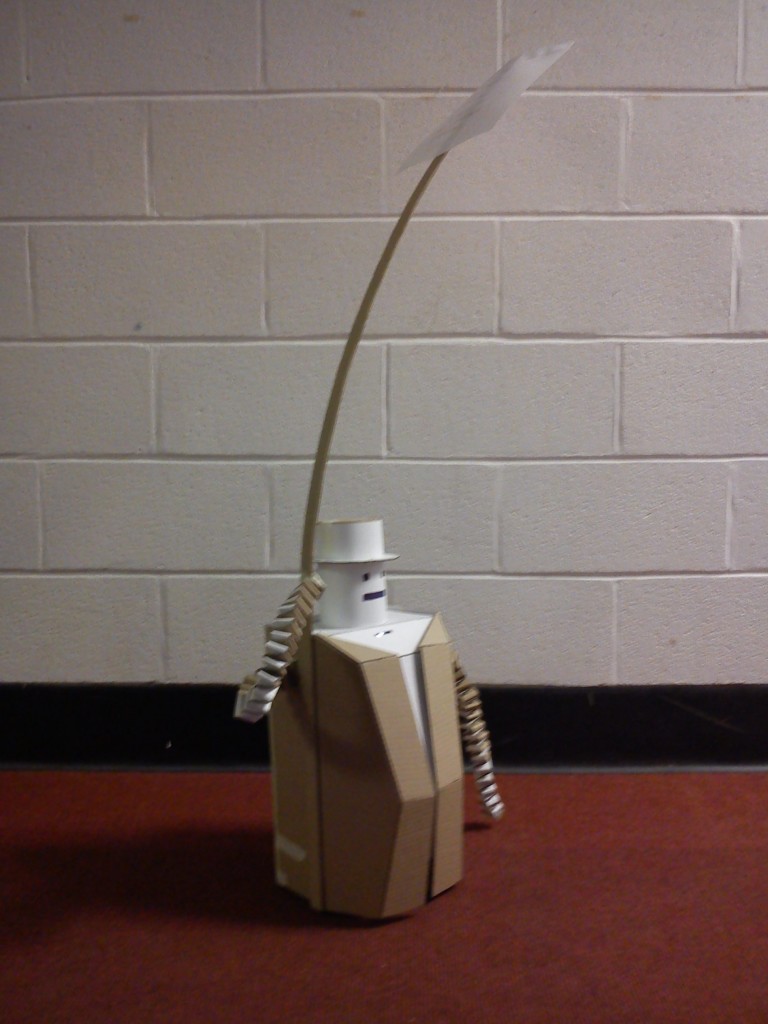
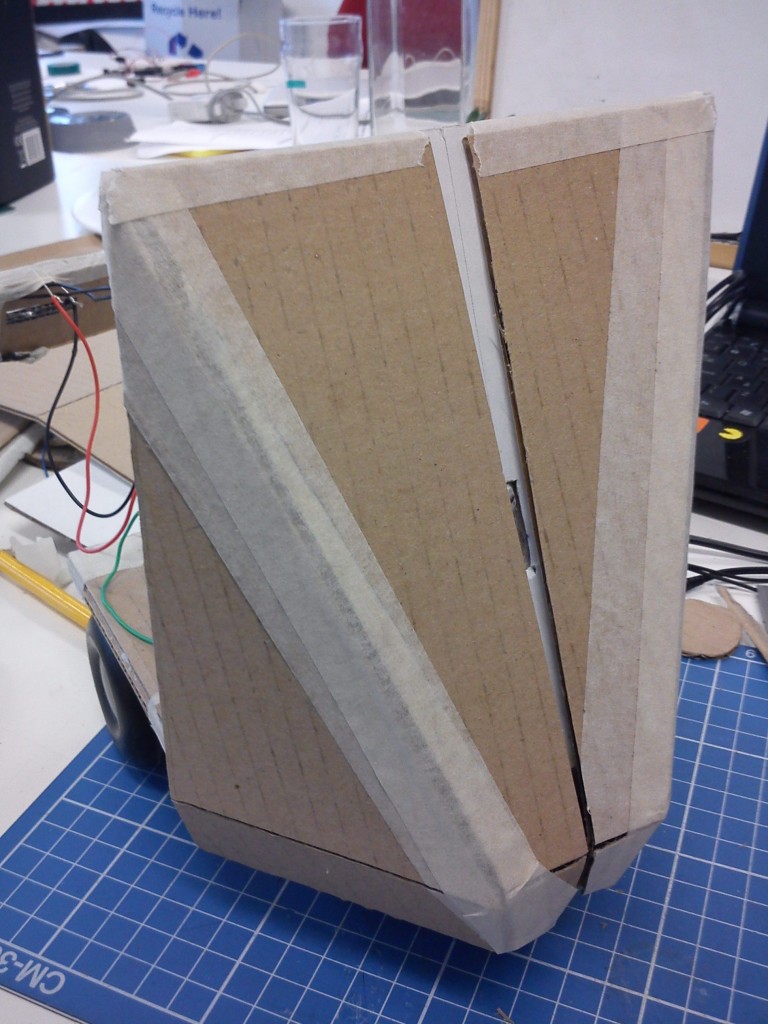
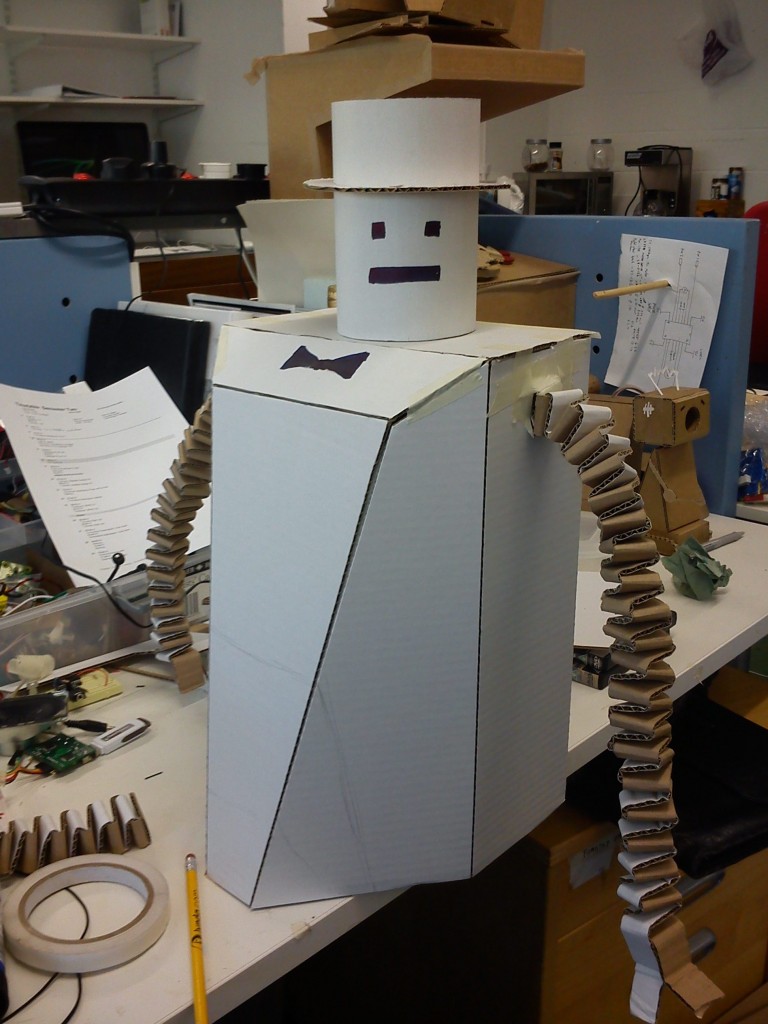
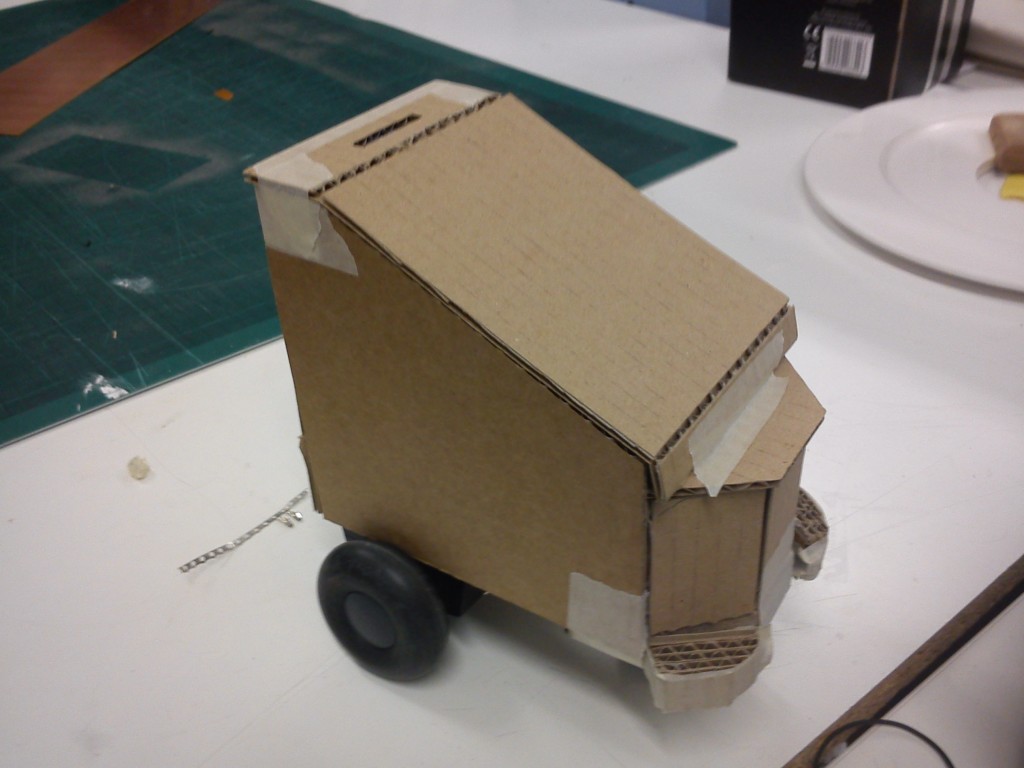
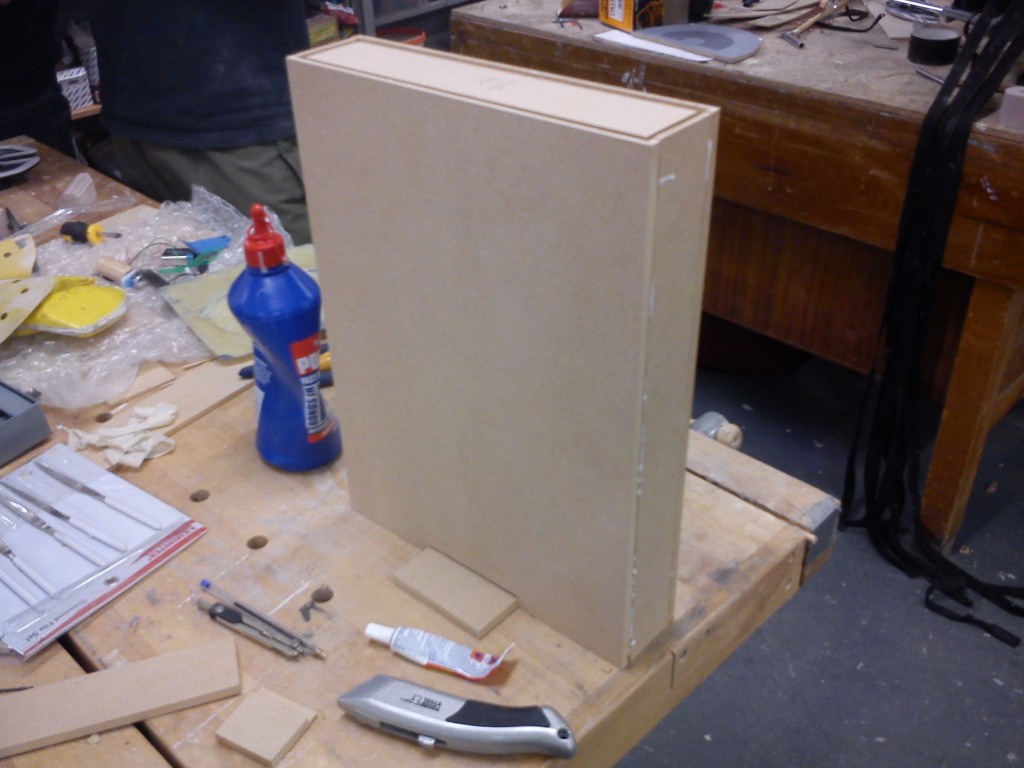
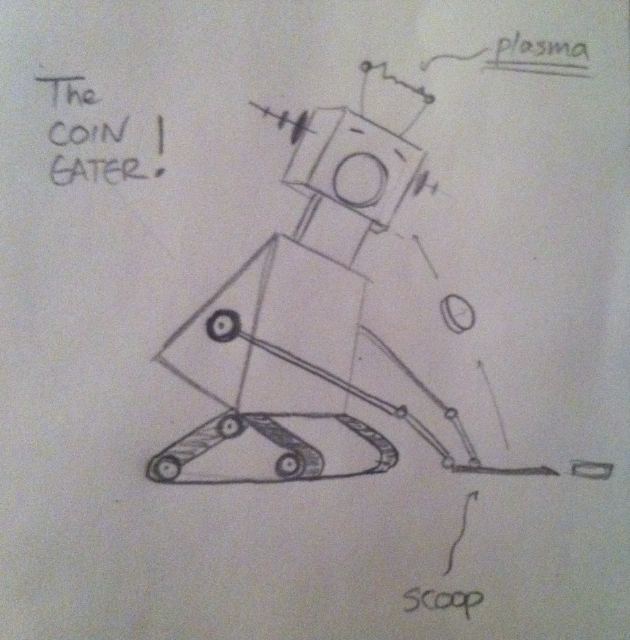
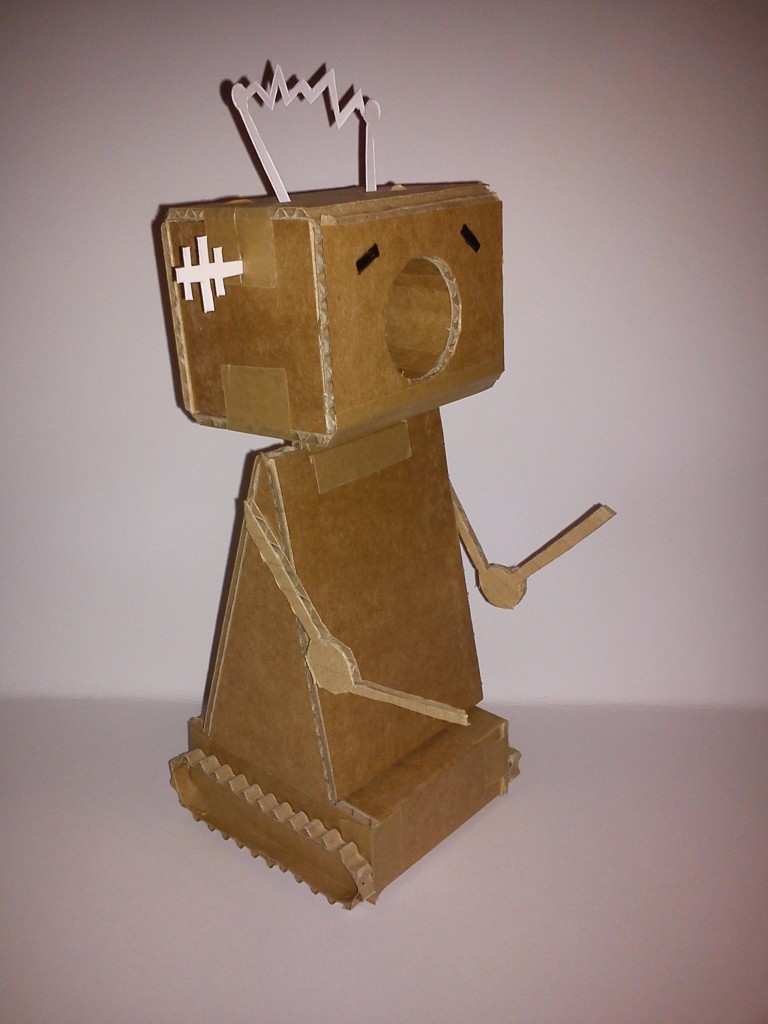
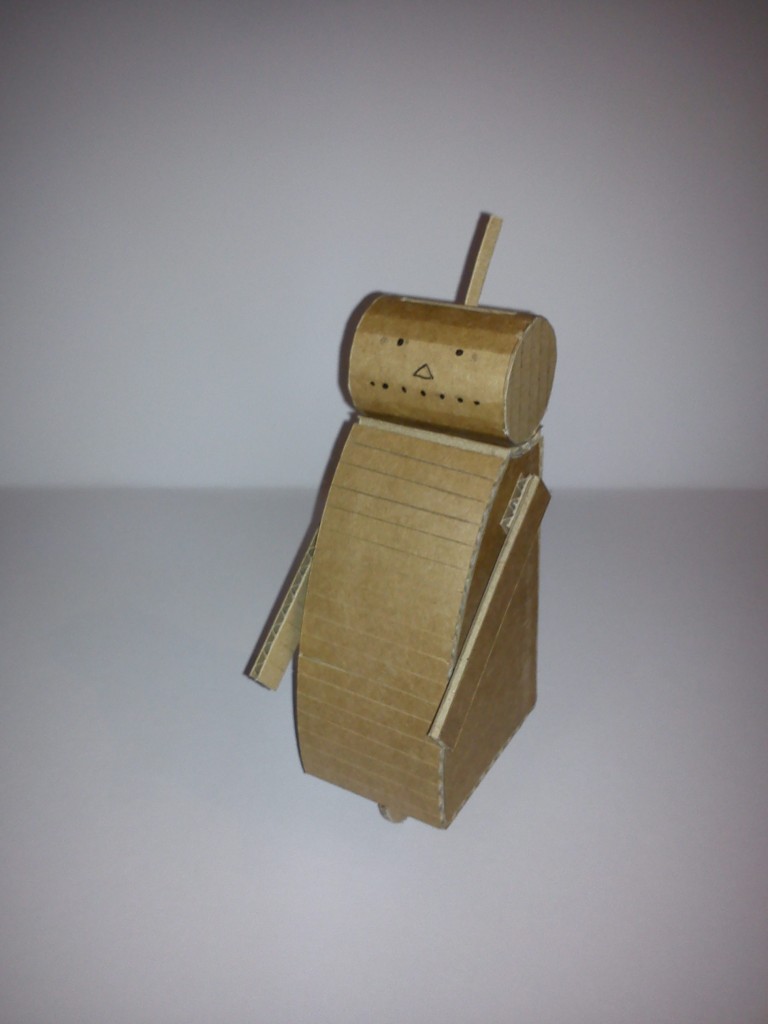
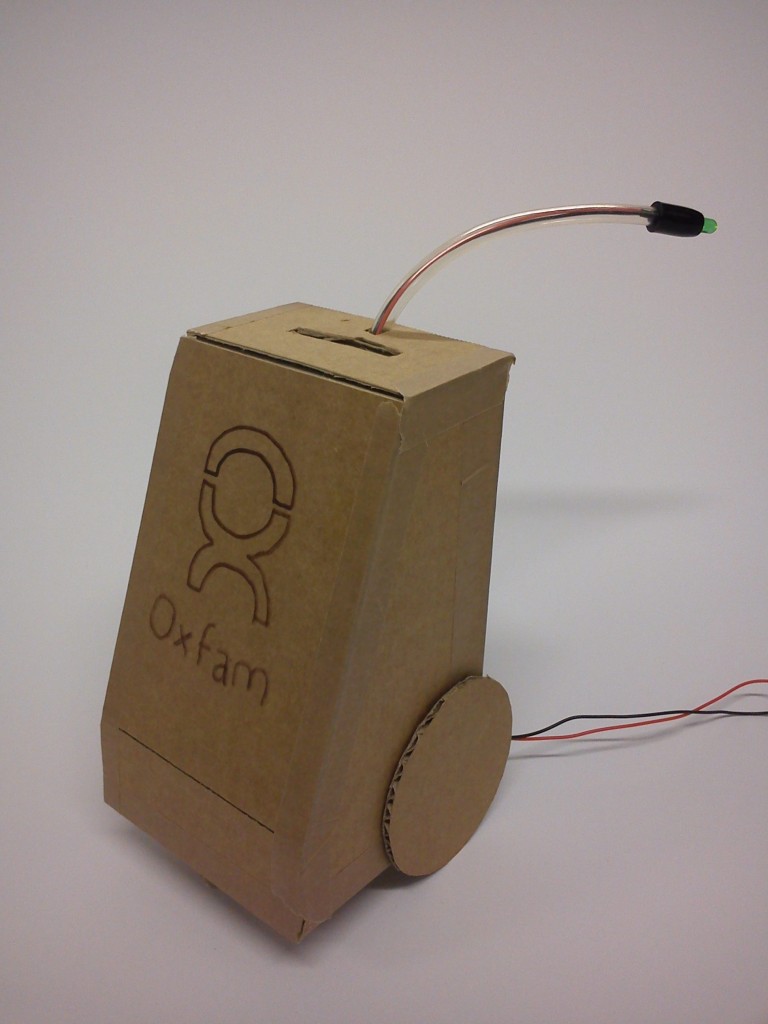 Not sure about this one, a re-design will need to be on the cards as it’s looking a bit like a pensioners trolley. Although while making this I had a thought about how I could affiliate my robots with a particular charity. Where would I have room for branding on the robot, if it needed branding at all? I was also encouraged to think about how the robot may signal that it requires a donation. My initial thoughts, as I have implemented here, was to add a flashing LED as a ‘help me’ signal. I’m not sure if this is enough though. A classmate suggested some audio may work, as in an alarm or a baby crying sound (without it wanting to sound too eerie). I’ll give that a bash next week I think. Its about time I had a look at how I could give the robot some personality beyond a crudely drawn roboface. This will be based on both how it moves and how it is interacted with.

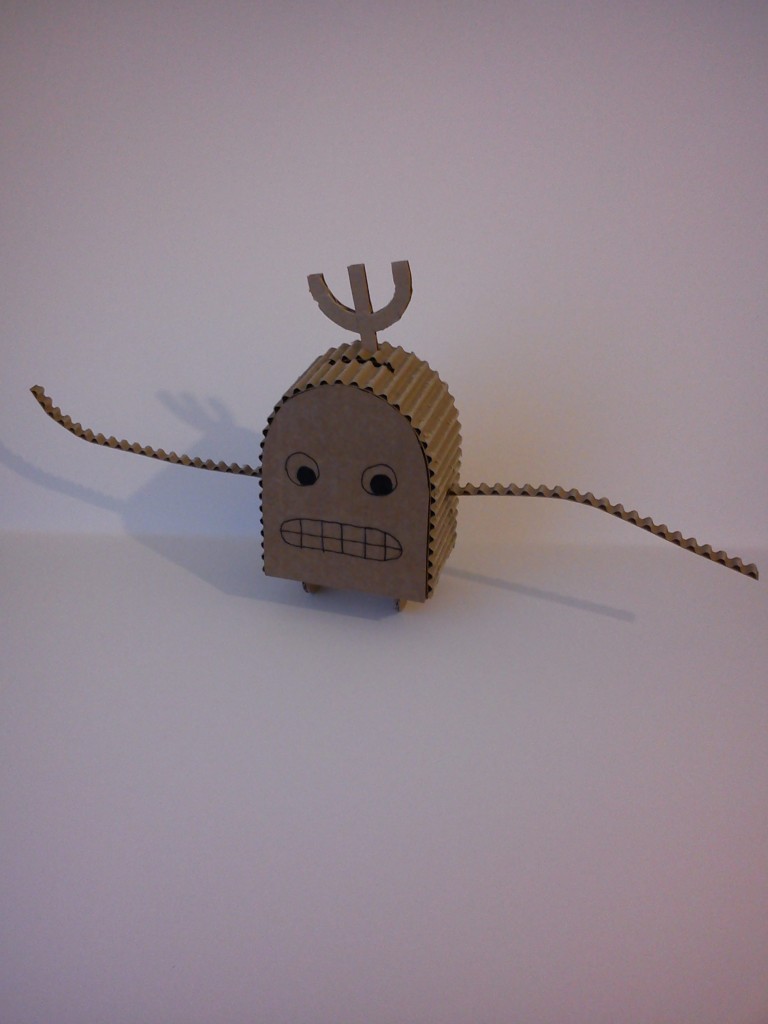
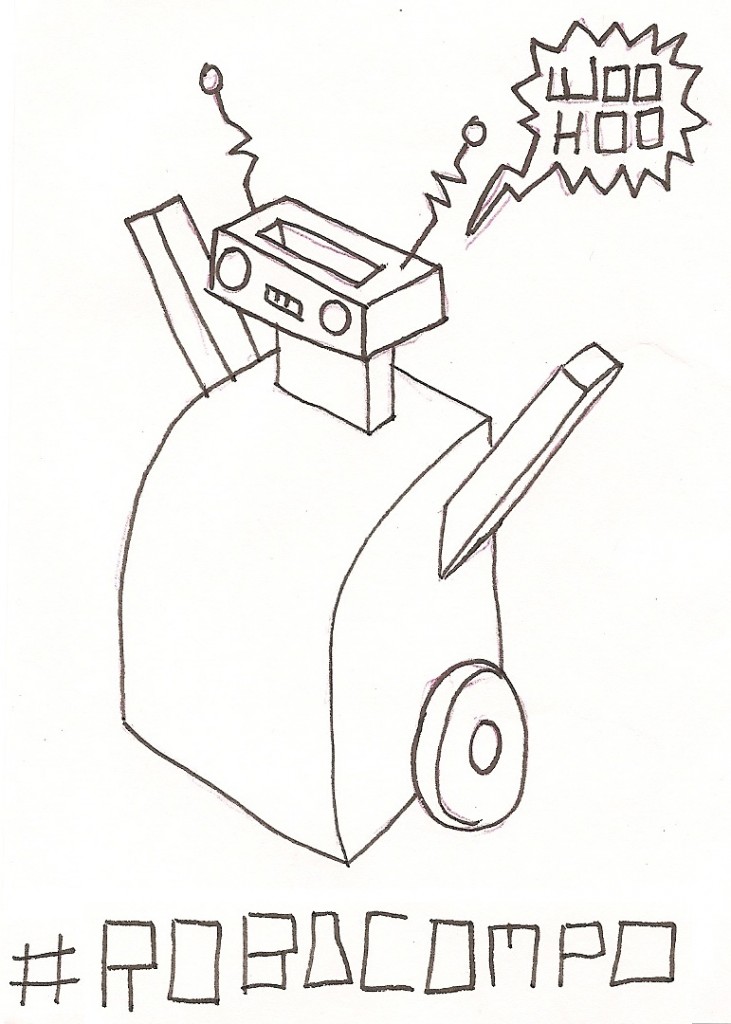
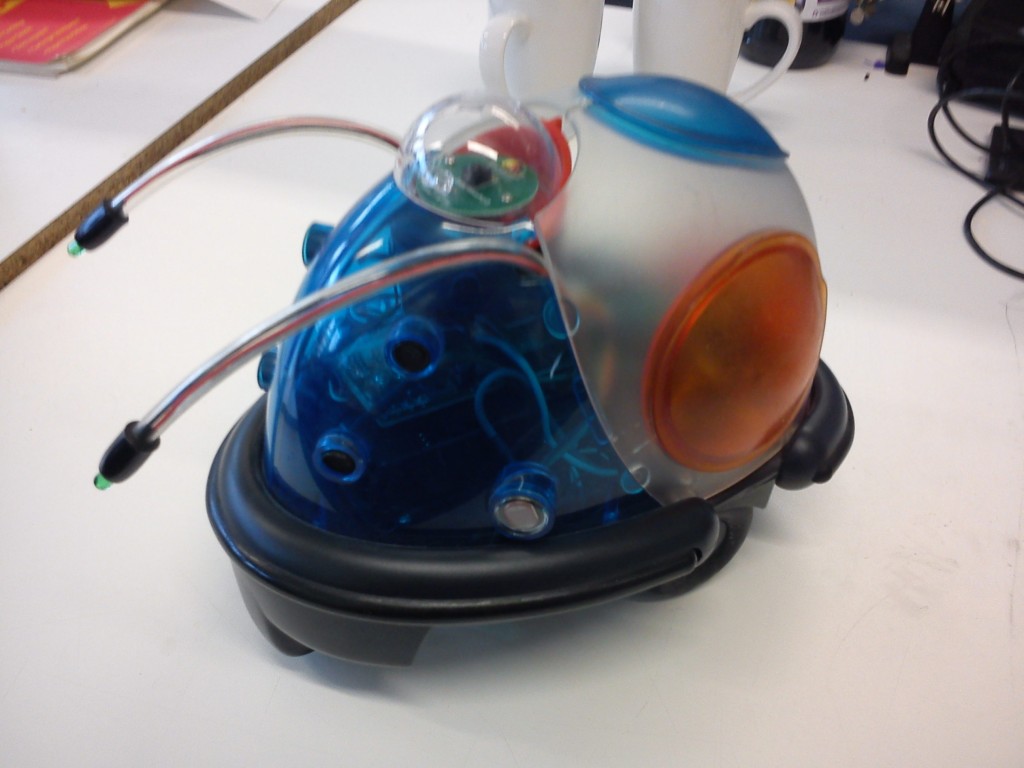
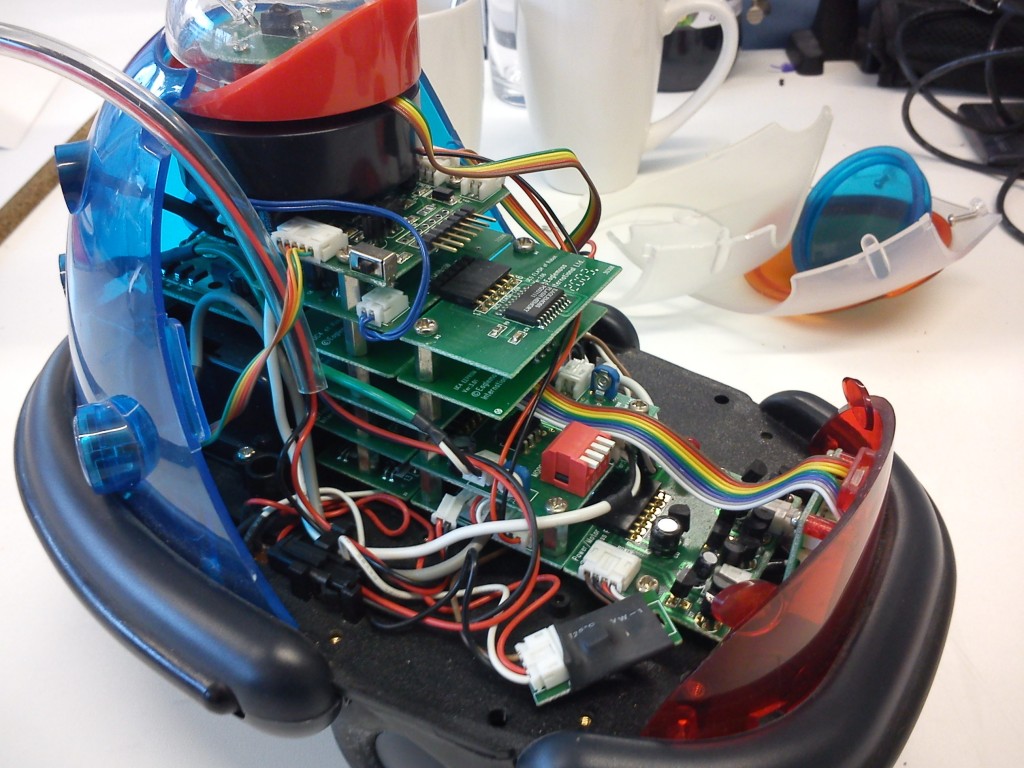
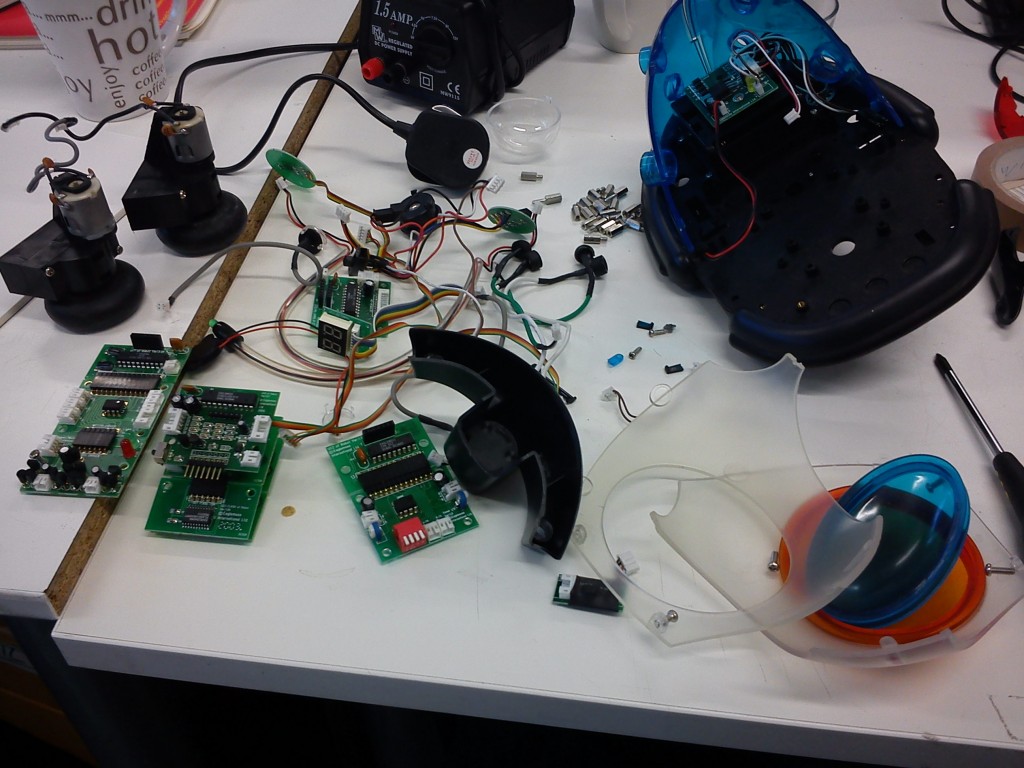 So now I am down one Cybot but have gained 2 motors, 2 LDR’s, 2 sonar emitters and receivers, a piezoelectric speaker, a dual 7 segment display, an infra-red diode, 2 LED’s, a whole heap of screws and dividers and various other bits and bobs I either don’t know the names of and/or don’t know how to use.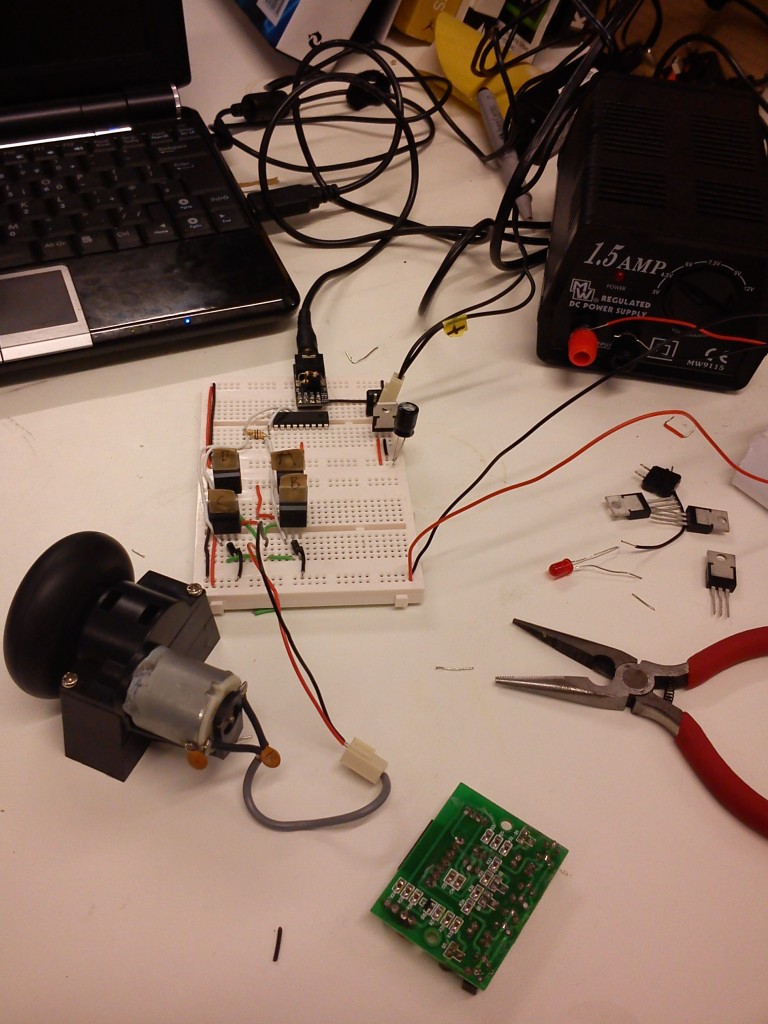
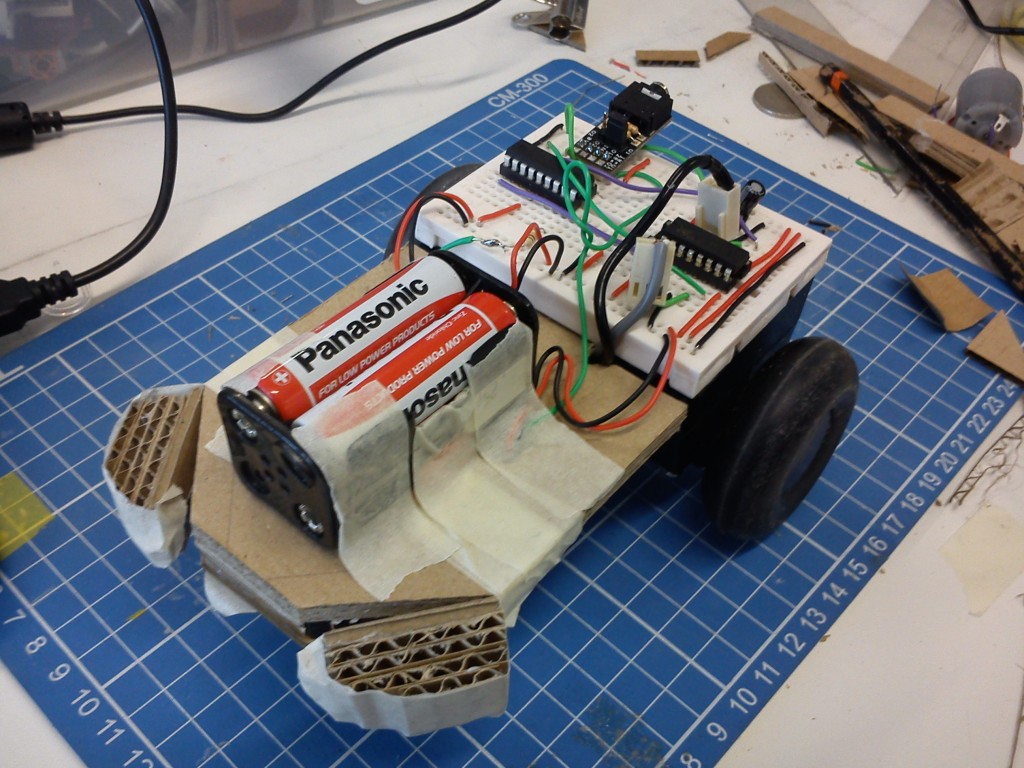
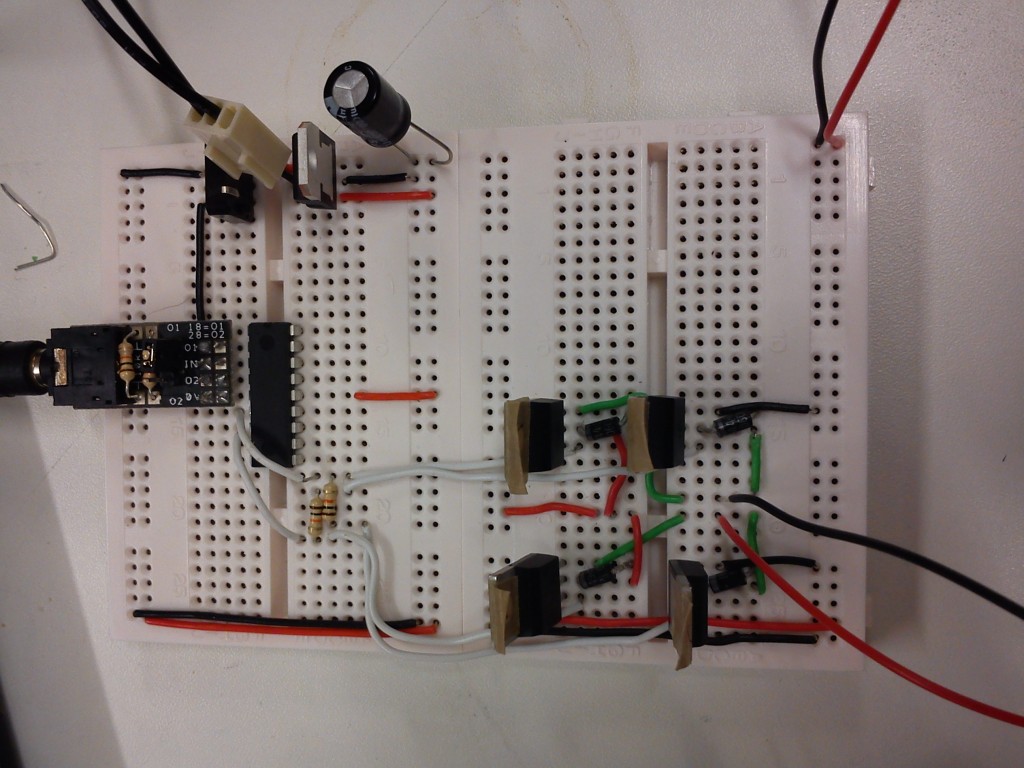 The H-bridge runs on an isolated circuit powered by 9V while the PICAXE chip runs on a voltage regulated circuit of 5V. As already said, this took far longer than it should have due to a faulty bread board not making connections when it should have which resulted in rather lacklustre motor rotation. A chat with