
How to Choose a Safe and Reputable Crypto Casino in the UK in 2026: A Complete Player's Guide to Licensing, Bonuses, and Responsible Gambling
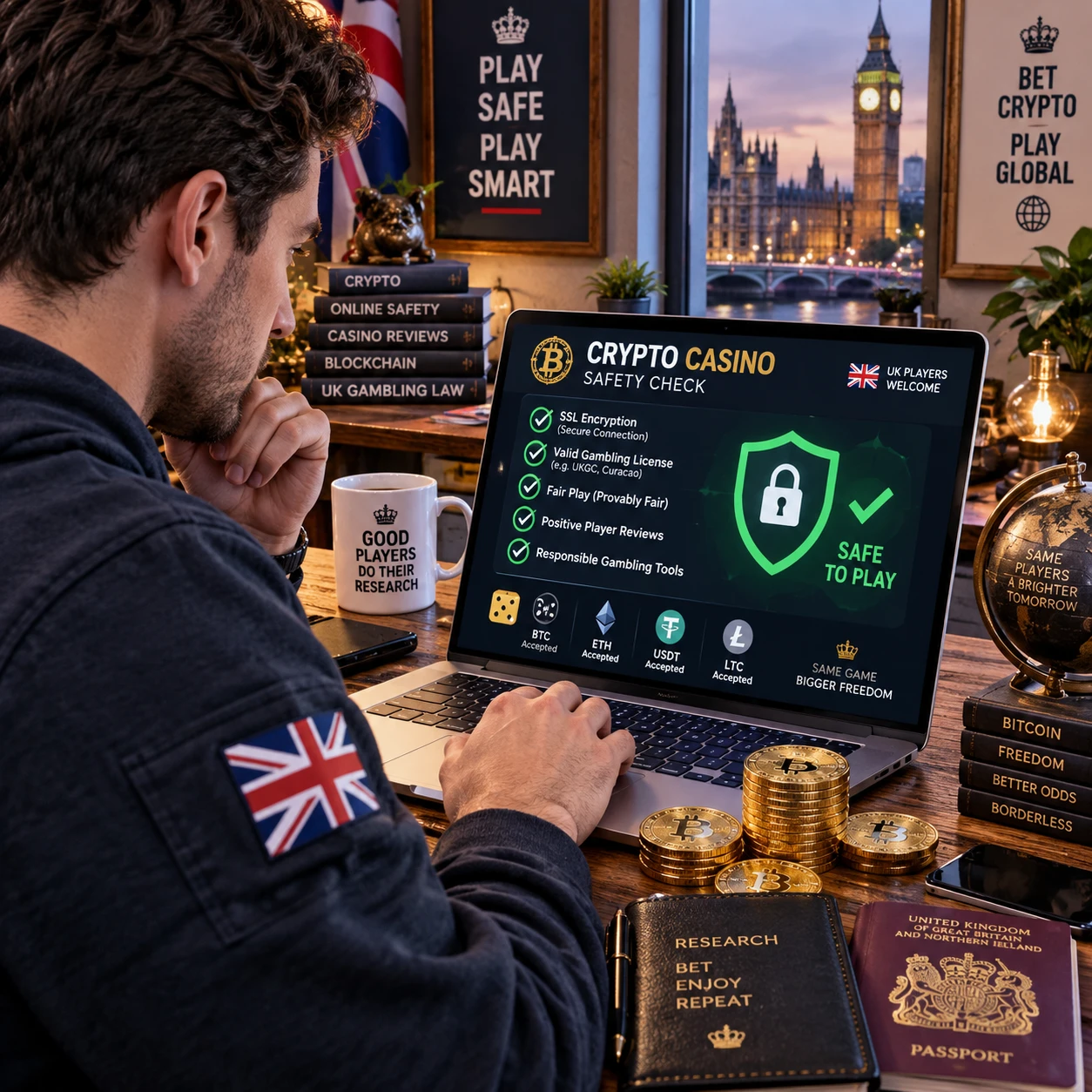
Over the last couple of years I've watched crypto gambling go from a niche curiosity to something nearly every UK player with a Bitcoin wallet has at least thought about trying. The appeal is obvious. Deposits clear in minutes, withdrawals aren't held hostage by banking delays, and there's a layer of privacy traditional online casinos just can't match. But here's the catch nobody talks about enough — crypto gambling sits in a legal grey zone under UK law, which means the safety nets you'd expect from a UKGC-licensed site don't automatically apply here.
I've spent a fair bit of time digging through forums, license registries, and player complaints trying to figure out what actually separates a trustworthy crypto casino from one that's just dressed up to look legitimate. So that's what this guide is — my attempt to walk you through how licensing works (or doesn't) for crypto platforms, which bonus terms deserve your attention versus which ones are a trap, and how to keep your gambling habits in check even when you're playing on a site technically operating outside UK jurisdiction.
What Is a Crypto Casino and How Does It Work?
At its core, a crypto casino is an online gambling platform that accepts cryptocurrency as its primary — sometimes only — form of payment. Instead of linking a debit card or using an e-wallet like Skrill, you fund your account with digital currency sent straight from your own wallet. The games themselves — slots, blackjack, roulette, live dealer tables — often look identical to what you'd find on a standard site. The backend payment rails, though, are built entirely on blockchain technology.
What's pulling more UK players toward this model in 2026 is a mix of speed and discretion. Transactions settle on the blockchain rather than crawling through a bank's clearing system, so there's no three-to-five business day wait for a withdrawal. For anyone who's grown tired of slow payouts or intrusive verification delays, that alone is a serious draw.
Popular Cryptocurrencies Used in Online Gambling
Bitcoin remains the most widely accepted coin across crypto casinos, mostly thanks to brand recognition and liquidity. Ethereum follows close behind, often favoured for its slightly faster confirmation times. Litecoin has carved out a loyal following too — transaction fees tend to be lower, and processing is quicker than Bitcoin's.
Stablecoins like USDT and USDC have also become increasingly common, particularly among players who want to avoid the price swings that come with holding something volatile like Bitcoin or Ethereum. If you're new to all this, a basic non-custodial wallet (Trust Wallet or MetaMask, say) is usually all you need to get started. Just make sure you understand how to safely store your seed phrase before sending any funds anywhere — this part trips up more beginners than you'd think.
Crypto vs. Traditional Online Casinos
The differences go beyond just the payment method. Traditional UK-licensed casinos are bound by strict UKGC rules covering everything from advertising standards to mandatory affordability checks. Crypto casinos, by contrast, often operate under offshore licenses with far looser oversight.
On the plus side, crypto platforms typically offer lower transaction fees, near-instant withdrawals, and a level of anonymity that appeals to privacy-conscious players. The trade-off is reduced legal recourse if something goes wrong. There's no Financial Ombudsman Service equivalent waiting to step in if a crypto casino decides to withhold your winnings — and that's worth sitting with for a second before you deposit.
Licensing and Legal Status for UK Players
This is probably the most important section in this entire guide, so bear with me. The UK Gambling Commission doesn't currently license crypto-only casinos operating purely with cryptocurrency. That means most crypto casinos accessible to UK players are licensed elsewhere — commonly in Curacao, or occasionally under Malta Gaming Authority jurisdiction.
Curacao licensing has historically had a reputation for being relatively easy to obtain, though the framework's tightened somewhat in recent years with the introduction of sub-licensing requirements. Malta tends to carry a bit more weight in terms of player protection standards, though it's less common among crypto-specific operators. Either way — if a platform operates with no license at all, that's an immediate red flag, not a minor oversight.
Checking a Casino's License Credentials
Before depositing a single satoshi, I always run through a quick checklist:
- Scroll to the footer and locate the license number — then verify it directly on the regulator's official website, not just by taking the casino's word for it.
- Check if the operator is listed under a parent company name that matches what's publicly registered.
- Look for consistent terms and conditions that don't contradict themselves between the homepage and the actual policy pages.
- Be wary of casinos that only display a license 'logo' with no verifiable number attached — that's often a cosmetic trick rather than genuine compliance.
Key Safety Features to Look for Before Signing Up
Licensing is step one, but it's far from the whole picture. A legitimate crypto casino should also demonstrate solid security practices across the board — SSL encryption on every page handling personal or financial data, provably fair gaming systems, and independent third-party audits from firms like iTech Labs or eCOGRA.
Transparency matters just as much as technical security, maybe more. I've found reputable platforms tend to spell out their terms clearly rather than burying critical details in dense legal jargon. When I was researching examples of operators that get this balance right, I came across crypto casino reviews that highlighted exactly the kind of transparent licensing information, audited game fairness, and clear withdrawal policies UK players should be looking for as a baseline standard.

Provably Fair Technology Explained
Provably fair systems use cryptographic hashing to let players verify, after the fact, that a game's outcome wasn't manipulated. The casino generates a hashed server seed before the round begins, combines it with a client seed you can influence, and once the round's over, you can check the math yourself to confirm the result was genuinely random. It's one of the few tangible trust mechanisms crypto gambling offers that traditional casinos generally don't bother providing in such an accessible format — a small thing, but it matters more than most players realise.
Understanding Bonuses and Promotions
Crypto casinos tend to go big on bonuses — welcome packages, free spins, cashback offers, tiered VIP programs, all standard fare. The numbers can look tempting, sometimes offering match bonuses well above what you'd see at traditional sites. But the headline figure rarely tells the whole story.
Reading the Fine Print on Wagering Requirements
Wagering requirements determine how many times you need to play through a bonus before you can withdraw any winnings tied to it. A 40x requirement on a modest bonus is manageable. A 60x or 70x requirement, especially paired with maximum bet caps and game restrictions, often means the bonus is practically unusable in real terms.
Before claiming anything, I'd suggest actually calculating the playthrough cost. If a casino's bonus requires wagering £1,000 before you can cash out £50 in winnings, that's not generosity — that's a mechanism built to keep your deposit locked in. Always check which games count toward wagering too, since slots often contribute 100% while table games sometimes contribute far less.
Responsible Gambling Tools and Resources in the UK
Just because a crypto casino operates offshore doesn't mean UK responsible gambling resources become irrelevant. GamCare and BeGambleAware remain available to any UK resident regardless of which platform they're playing on, and both offer free, confidential support if gambling starts feeling less like entertainment and more like a compulsion.
Setting Personal Limits on Crypto Platforms
Most reputable crypto casinos now include built-in tools for setting deposit limits, session time reminders, and self-exclusion periods. I'd strongly recommend setting these up before you start playing, not after a losing streak prompts a panicked decision — that's never when you make good calls. There are also third-party apps like Gamban that block access to gambling sites across your devices entirely, which can be a useful backstop if the built-in casino limits don't feel sufficient on their own.
Red Flags and Common Mistakes to Avoid
A lot of the trouble UK players run into comes down to a handful of avoidable mistakes. Skipping independent reviews in favour of flashy ads is a common one — always check player forums and complaint boards before committing funds. Ignoring KYC verification requirements is another; if a casino only asks for identity verification after you've requested a large withdrawal, that can sometimes signal a delay tactic rather than genuine compliance.
Chasing oversized bonuses without reading the terms is probably the most frequent trap I've seen. And finally, depositing more than you can comfortably afford to lose — thinking 'it's just crypto, not real money' — is a mindset worth challenging early, because the losses are every bit as real as they'd be with traditional currency.
Final Thoughts on Choosing a Safe Crypto Casino
Choosing a safe crypto casino in the UK in 2026 really comes down to doing your homework before you deposit, not after. Verify the license, scrutinise the security measures, read bonus terms line by line, and lean on UK responsible gambling resources whenever you need them, regardless of where the operator is based. Crypto gambling can offer genuine advantages in speed and privacy, but those benefits only matter if the platform behind them is actually trustworthy. Take the time to research properly, and you'll put yourself in a far stronger position to enjoy the experience without unnecessary risk.