
Why 'USDT Casino' Links on Charity Websites Are a Red Flag for UK Nonprofits
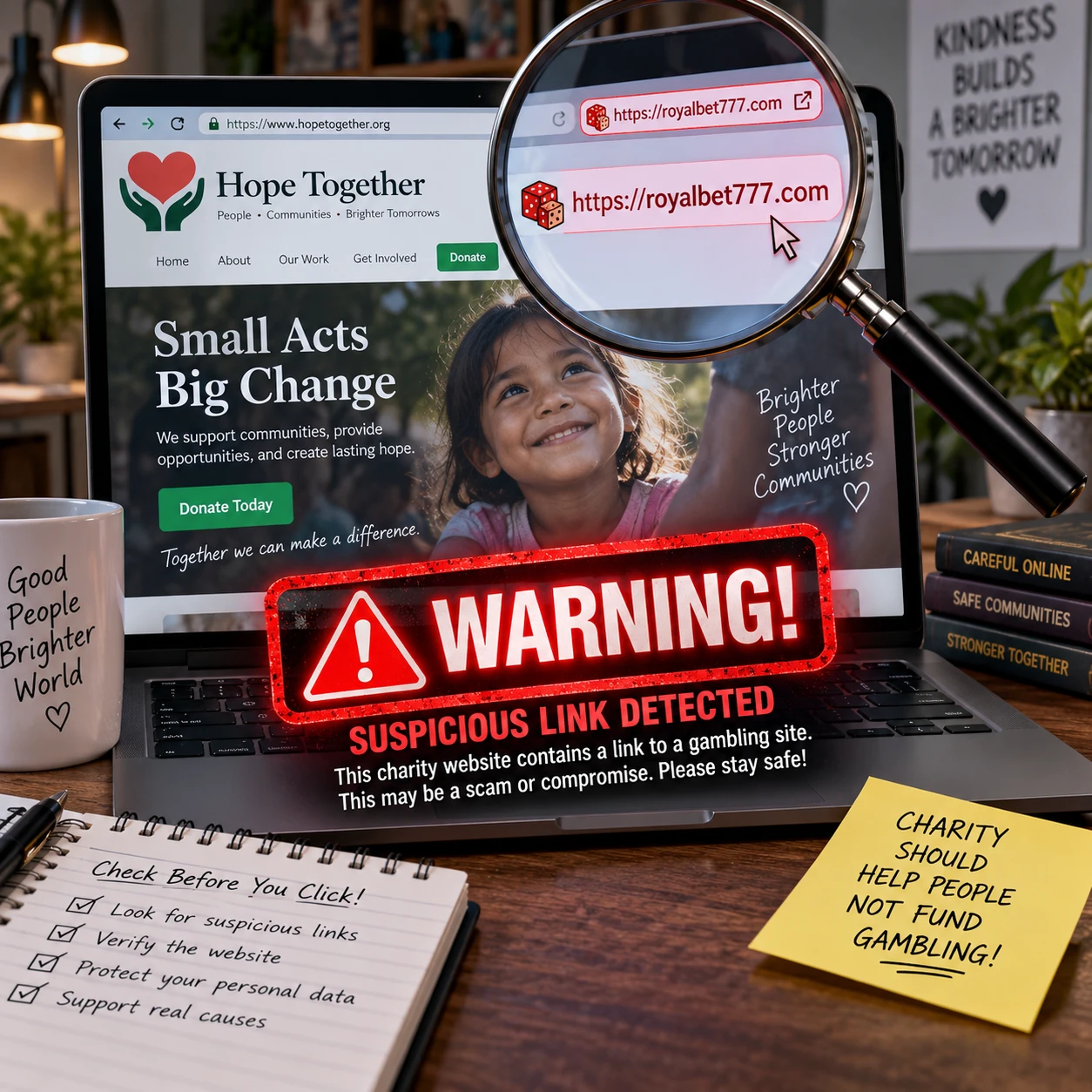
If you've ever stumbled across a link like usdt casino sitting on a UK charity or community organisation's website, your instincts are right to raise an eyebrow. This isn't a nonprofit suddenly branching out into cryptocurrency gambling — not even close. It's a textbook case of something I've seen pop up more and more across the UK charity sector: unauthorised link injection, usually tied to black-hat SEO schemes that quietly ride on the trust and domain authority of legitimate organisations.
I write about digital safety and online scams fairly often, and this pattern — gambling-related anchor text showing up on a site that has nothing to do with betting, crypto, or online casinos — is one of the clearest tells that something's gone wrong behind the scenes. So let me walk through what's actually happening here, why it matters, and what charities (and the people who support them) should keep an eye on.
What's Really Going On With These Links
When you spot an anchor text like 'usdt casino' pointing to a domain that clearly belongs to a community support charity, a few things are almost always true:
- The link was very likely placed without the knowledge or consent of whoever actually runs the organisation.
- It's being used to pass link equity to a gambling-related site, exploiting the charity's established domain reputation to manipulate search engine rankings.
- The charity's website may have been compromised through outdated plugins, weak admin credentials, or a vulnerable content management system.
This gets called a link scheme or negative SEO exploitation, depending on who you ask, and it's a known move in less reputable corners of the gambling affiliate world. Rather than paying for proper advertising, some operators — or more often, third-party 'SEO agencies' working on their behalf — seed links across hundreds of unrelated sites. Charities. Blogs. Forums. Even school PTA pages. The hope is that search engines won't notice the mismatch.
Why This Is Especially Serious in the UK
In the United Kingdom, gambling advertising is governed by strict rules from the UK Gambling Commission (UKGC) and the Advertising Standards Authority (ASA). Cryptocurrency-based casinos — the ones running on USDT (Tether) for deposits and withdrawals — sit in a particularly grey area, mostly because so many operate offshore, entirely outside UKGC licensing.
When promotional gambling content shows up disguised inside a nonprofit's domain, it tends to breach several layers of regulation at once: misleading placement, zero licensing transparency, and in a lot of cases, no age-verification or responsible gambling messaging at all. For a charity that may support vulnerable people — including those dealing with addiction or financial hardship — this kind of hidden link isn't just an SEO annoyance. It's a reputational problem. And honestly, a safeguarding one too.
How Charities Can Protect Their Sites
If you run or volunteer for a UK charity, here's what I'd recommend checking on a regular basis:
- Audit your site's outbound links at least once a quarter using a free tool like Google Search Console or Screaming Frog.
- Keep your CMS and plugins updated — most injected-link hacks exploit known vulnerabilities in outdated WordPress themes or plugins.
- Use strong, unique admin passwords and enable two-factor authentication wherever your hosting platform allows it.
- Review your sitemap and footer links, since injected content is often hidden in places visitors rarely scroll to.
- Report suspicious links to your hosting provider immediately if you spot anything unrelated to your mission.
It's worth remembering, too, that search engines themselves are getting sharper at spotting these mismatches. Google's spam-detection algorithms increasingly flag unnatural link patterns, which means a compromised charity site risks getting penalised in search rankings on top of everything else — the original hack plus a ranking hit. Not exactly a small problem.
What To Do If You Spot One of These Links
If you come across a gambling-related anchor text on a charity or community site, don't click through, and don't assume it's some legitimate ad placement. Instead:
- Contact the organisation directly (through a verified phone number or email, not anything listed near the suspicious link) and let them know.
- Avoid engaging with the linked gambling site, especially one using crypto payment methods that offer little regulatory oversight or consumer protection.
- If you're a UK resident concerned about gambling-related harm, GamCare and the National Gambling Helpline are far more reliable resources than anything found through an unexplained charity-site link.
At the end of the day, a mismatched anchor text like this isn't really about the gambling site itself — it's a bigger lesson about how fragile trust online actually is. Even well-meaning organisations can become unwitting vehicles for schemes they never agreed to and never saw coming. Staying alert to these patterns helps protect both the charities people rely on and the visitors who show up on their sites in good faith, no questions asked.