
Recognising and Overcoming Gambling Addiction in the Digital Age: How UK Residents Can Find Support When Crypto Casinos Make Problem Gambling Harder to Track
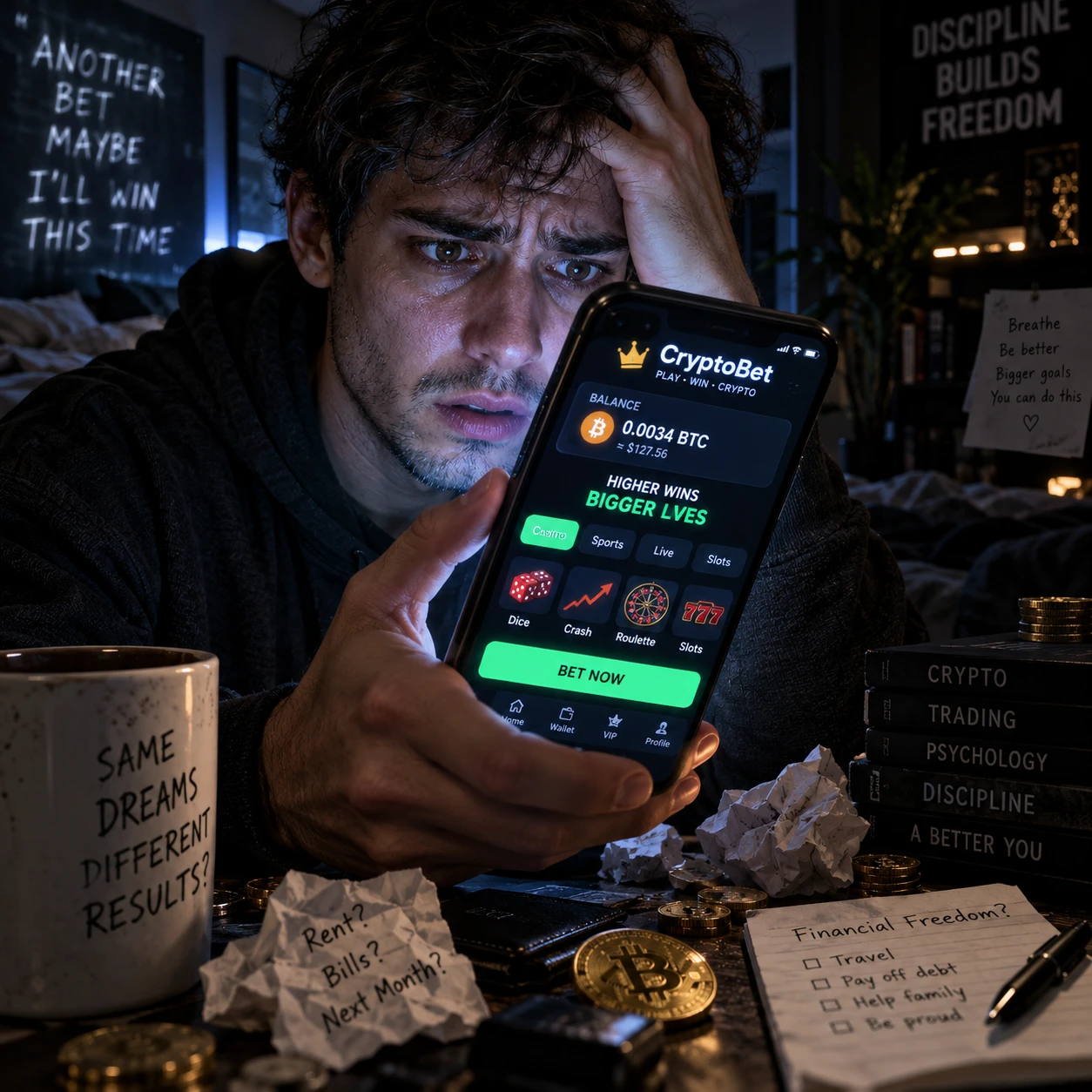
I've spent a lot of time talking to people across the UK who've found themselves caught in gambling patterns that look nothing like the stereotype most of us grew up with. There's no betting shop on the high street, no fruit machine in the corner of the pub, no obvious tell that family members can spot. Instead, it's a phone screen, a crypto wallet, and a quiet sense of dread that builds at 2am. The way we gamble has changed dramatically over the last decade, and with that change has come a much harder problem to see, let alone solve.
Mobile apps and online platforms moved gambling from physical spaces into our pockets years ago. But the more recent rise of crypto casinos has taken that shift even further, making addiction not just more accessible but genuinely harder to track—by regulators, by loved ones, and sometimes even by the person struggling with it themselves. This article is about helping UK residents recognise what's happening and, more importantly, find support that actually understands this newer, murkier version of problem gambling.
What Makes Crypto Casinos Different—and Riskier
Crypto casinos operate largely outside the reach of the UK Gambling Commission (UKGC). That matters a great deal. Licensed UK operators are required to offer deposit limits, self-exclusion schemes, and affordability checks—imperfect tools, but tools nonetheless. Crypto platforms, many based offshore, often skip these safeguards entirely. They're open 24/7, accept borderless payments, and don't ask the kinds of questions a UK-regulated site legally must.
Anonymity and the Erosion of Safety Nets
One of the biggest issues is anonymity. Pseudonymous wallets mean there's no clear paper trail the way there is with a debit card transaction at a licensed bookmaker. Banks can sometimes flag unusual gambling-related spending and intervene, or at least prompt a conversation. Crypto removes that entirely. Someone can lose thousands without a single red flag appearing on a bank statement, which means the people closest to them—partners, parents, friends—often have no idea anything is wrong until the damage is already significant.
Why Traditional Warning Signs Don't Always Apply
We're trained to look for certain signs: unexplained withdrawals, secretive trips, stacks of betting slips. None of that applies here. Crypto gambling happens in volatile digital currencies that fluctuate by the hour, making it genuinely difficult to explain losses even if someone wanted to. 'I lost it on Bitcoin' can sound like a legitimate investment story rather than a gambling confession, which gives the addiction an unusual kind of cover.
Recognising the Signs of Gambling Addiction in a Digital-First World
Because the usual markers don't show up, it helps to know what digital-era problem gambling actually looks like day to day. In my conversations with people navigating this, certain patterns come up again and again:
- Secretive or defensive behaviour around crypto wallets and exchange apps
- Chasing losses by increasing bets during volatile market swings, convinced the next move will 'fix' things
- Lying about the size or existence of crypto holdings to partners or family
- Neglecting work, relationships, or basic responsibilities in favour of monitoring odds or markets
- Anxiety or mood swings tied directly to crypto price movements, even outside of active gambling sessions
- Using multiple wallets or exchanges to obscure total losses, even from themselves
If several of these feel familiar—whether in yourself or someone close to you—it's worth taking that seriously rather than dismissing it as 'just a bad week in the markets.'
The Hidden Financial and Emotional Toll
There's something particularly brutal about losses that happen through crypto casinos. Blockchain transactions are irreversible—there's no chargeback, no bank intervention, no cooling-off period once the transaction clears. Combine that with the natural volatility of cryptocurrency itself, and losses can compound in ways that traditional gambling simply doesn't allow for.
Then there's the emotional weight. Because this form of addiction feels invisible—no one sees you walk into a casino, no one notices a betting app on your phone screen the way they might notice a betting shop receipt—shame tends to grow in isolation. People often tell me they felt like they were the only ones dealing with this, partly because the UK's regulatory framework hasn't caught up with crypto gambling at all. There's a genuine protection gap here, and it leaves people feeling unsupported even by systems designed to help.
Finding the Right Support: Why Specialist Help Matters
Generic gambling advice often falls short when crypto is involved. A counsellor who understands traditional betting addiction but has never discussed wallet anonymity, decentralised exchanges, or the psychological pull of watching a coin's price chart may simply not grasp the full picture. This is exactly why it's worth seeking out support services that specifically understand the digital financial landscape—organisations experienced with crypto casinos and the particular challenges they create are far better positioned to help UK residents navigate recovery when standard gambling support services fall short on digital literacy.
What to Look for in a Support Service
When you're trying to find the right help, a few things are worth checking for:
- Genuine experience with online and crypto-specific gambling, not just traditional betting
- Strict confidentiality, especially given how private crypto finances tend to be
- Flexible, remote coaching options that fit around a tech-first lifestyle
- A non-judgmental approach that understands tech-savvy gamblers without treating them as a stereotype
Practical Steps Toward Recovery
Recovery doesn't need to start with a dramatic gesture—small, concrete steps tend to work better. Honest self-assessment is a good first move; there are free tools online that help you gauge where you actually stand. Installing blocking software on crypto exchange apps and gambling sites can remove the temptation of impulsive late-night sessions. Telling one trusted person, even just a friend, breaks the isolation that keeps this kind of addiction hidden for so long.
In the UK, GamCare and the National Gambling Helpline remain solid starting points for general support and are available free of charge. Pairing that with specialist coaching that understands crypto specifically gives you a more complete safety net—one built for how gambling actually happens now, not how it happened twenty years ago.
Conclusion—Taking Back Control in a Digital Gambling Landscape
Crypto casinos have made problem gambling quieter, more private, and in many ways more dangerous for UK residents. The old warning signs don't always apply, the regulatory protections aren't fully there yet, and the shame can feel heavier because the addiction seems invisible to everyone else. But none of that means recovery is out of reach. With the right, informed support—people who actually understand how crypto gambling works—getting your footing back is absolutely possible. If any part of this article felt uncomfortably familiar, please don't wait for things to get worse before reaching out. Early help is almost always easier than crisis recovery, and you don't have to figure this out alone.